


What Should You Eat to Nourish and Protect Your Stomach After Gastric Bleeding?

During early pregnancy, many women experience nausea and vomiting—a common and generally benign condition that typically resolves spontaneously after a period of time, so there’s no need for excessive concern. However, some pregnant women suffer from severe vomiting. In such cases, what should one eat to nourish and protect the stomach if gastrointestinal bleeding occurs?
What to Eat to Nourish the Stomach After Gastrointestinal Bleeding
After gastrointestinal bleeding, patients should consume liquid or semi-liquid foods—such as congee (rice porridge), soft noodles, or wonton soup—as these are easily digested and absorbed and less likely to damage or irritate the gastric mucosa. Once the patient transitions back to solid foods, soft solids are recommended; hard, cold, spicy, or highly stimulating foods should be avoided, as they may injure the gastric mucosa. Alcohol must also be strictly avoided, as it can trigger recurrent gastric bleeding. Additionally, meals should be bland and mild—spicy, stimulating, raw, or cold foods must be avoided to support gastric and intestinal recovery. Gastrointestinal bleeding often signals underlying pathological changes in the stomach, such as gastric mucosal injury, gastritis, or gastric ulcers.
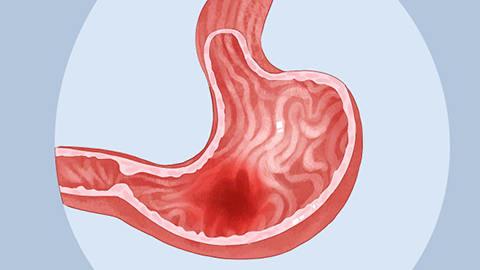
Patients with gastrointestinal bleeding must observe several important dietary and lifestyle precautions. Smoking, alcohol consumption, strong tea, and coffee are strictly contraindicated. Spicy, stimulating, fried, greasy, seafood, and “hair”-type foods (e.g., certain animal-derived or traditionally classified “heat-inducing” foods) should also be avoided, as they may irritate the gastric mucosa, exacerbate mucosal injury, and provoke further bleeding. Acute gastrointestinal bleeding patients should abstain from all food intake, as eating may stimulate gastric acid secretion and worsen hemorrhage. During the recovery phase, patients may consume cool, liquid, or semi-liquid foods—but hot foods must be avoided, as they can cause vasodilation and aggravate bleeding.
Moreover, patients should maintain a positive mental outlook and engage in appropriate physical exercise to strengthen their immune system. We hope this information proves helpful.


