


Can early-stage liver cirrhosis be treated?

Liver cirrhosis is a serious disease, as liver health is vital to the body. Maintaining a healthy liver supports optimal metabolic function; however, once cirrhosis develops, it can adversely affect other organs—such as those in the gastrointestinal tract and the kidneys. So, can early-stage liver cirrhosis be treated?
Can early-stage liver cirrhosis be treated?
Yes, early-stage liver cirrhosis is treatable. Patients with cirrhosis commonly experience symptoms such as fatigue, weakness, and general debility. Some patients develop facial hyperpigmentation following liver disease. Due to cirrhosis, digestive disturbances may also occur, including loss of appetite, abdominal pain, constipation, or hepatic pain—particularly after physical exertion. Therefore, patients should monitor their liver region for any noticeable tenderness or pain and seek medical attention promptly if such symptoms arise.

In the early stage of cirrhosis, the liver exists in an intermediate state between fibrosis and established cirrhosis—making this phase the optimal window for intervention. Early detection and timely treatment significantly increase the likelihood of successful management. During early-stage treatment, therapy primarily targets the underlying cause of cirrhosis. Patients must actively collaborate with their physicians and adhere to standardized treatment protocols to maximize the potential for reversal and minimize further harm to health. However, some patients only begin treatment at advanced stages, when cirrhosis has already progressed significantly. Since early-stage cirrhosis often presents with no obvious symptoms, timely diagnosis and intervention are critically important.
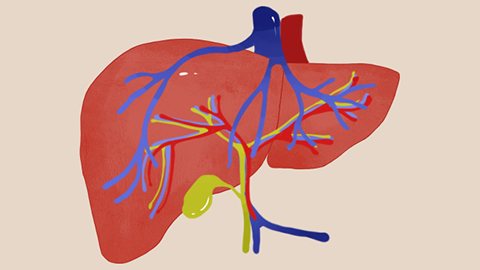
Patients who promptly recognize signs and symptoms of cirrhosis in daily life have a substantially higher chance of effective treatment. We hope this information proves helpful to you.


