


Psychological Causes of Obsessive-Compulsive Disorder

Obsessive-Compulsive Disorder (OCD) is a common mental health condition prevalent in our daily lives. It can cause severe psychological impairment and inflict significant harm on affected individuals. OCD manifests through numerous symptoms, and I urge everyone to remain vigilant about its onset. So, what are the psychological causes of OCD?
Psychological Causes of OCD
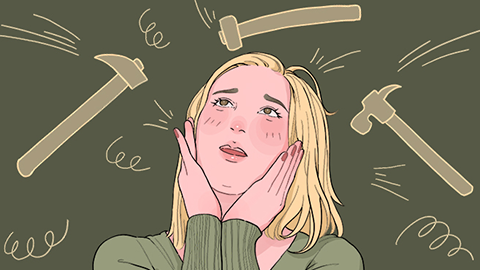
Stress from work and daily life constitutes the fundamental psychological cause of OCD. Patients are fully aware that their obsessive thoughts or compulsive behaviors are irrational, yet they often feel unable to control them—leading to panic, irritability, and even severe anxiety. Individuals with OCD possess heightened self-awareness regarding their condition, recognizing it as self-generated, yet remain powerless to resist it. In severe cases, untreated OCD may contribute to the development of schizophrenia. Therefore, learning relaxation techniques, avoiding chronic anxiety, and adopting a more accepting, natural attitude toward one’s thoughts and feelings are essential first steps.

The adverse effects of OCD remain substantial, severely impairing patients’ daily functioning—including their ability to study, work, and maintain personal relationships—and significantly diminishing overall quality of life. Specifically, individuals with OCD repeatedly dwell on meaningless thoughts or engage in purposeless, repetitive behaviors. Under the influence of such obsessions or compulsions, their academic performance, occupational productivity, and social interactions are all adversely affected to varying degrees. Consequently, the World Health Organization (WHO) classifies severe OCD among the top ten most disabling disorders globally. Although patients recognize their obsessions or compulsions as unnecessary and excessive, they remain unable to suppress them—resulting in profound psychological distress.
In daily life, if you or someone you know begins exhibiting symptoms suggestive of OCD, prompt medical evaluation and diagnosis are crucial. Active cooperation with healthcare professionals during treatment is vital for optimal outcomes. We hope this information proves helpful to you.


