


How to Effectively Treat Early-Stage Liver Cirrhosis
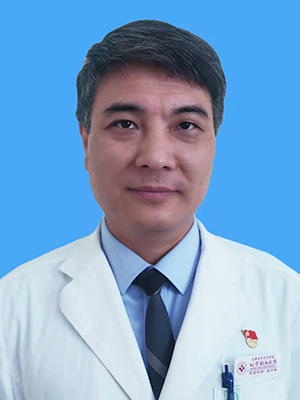
Liver cirrhosis is a highly detrimental liver disease. Once developed, it not only poses severe threats to physical health but may also adversely affect cardiac function—and even lead to death. Therefore, liver cirrhosis must not be overlooked and should be treated as early as possible. So, how is early-stage liver cirrhosis best managed?
Optimal Management of Early-Stage Liver Cirrhosis
Early treatment of liver cirrhosis should focus on actively controlling the underlying disease. First and foremost, the primary cause of cirrhosis must be addressed to eliminate the source of ongoing liver injury. For viral hepatitis–related cirrhosis—such as that caused by hepatitis B or C—prompt antiviral therapy is essential, supplemented by integrated approaches including promoting blood circulation and resolving stasis, softening the liver and dispersing nodules, protecting hepatocytes, and lowering elevated liver enzymes. In cases of alcoholic cirrhosis, complete abstinence from alcohol is mandatory; adjunctive therapies aimed at improving microcirculation and softening hepatic tissue may help reverse early fibrotic changes. Additionally, dietary modifications are crucial during early-stage cirrhosis to ensure nutritional balance. The diet should emphasize easily digestible, nutrient-dense foods rich in high-quality protein, complex carbohydrates, and vitamins, while being low in fat.

In advanced (decompensated) cirrhosis, most patients develop esophageal and gastric varices, placing them at significant risk for variceal rupture and life-threatening gastrointestinal bleeding. Consequently, patients must strictly avoid hard, sharp, or abrasive foods—including nuts, spiky or pointed items, and fried foods—which may lacerate varices. Fruits and other foods containing pits or seeds should be consumed carefully; seeds must never be swallowed whole, as they could puncture or tear fragile variceal vessels. Furthermore, capsule-form medications should be avoided, since capsules may adhere to variceal walls during dissolution, increasing the risk of trauma and bleeding.
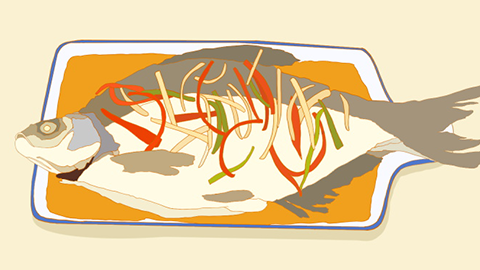
Patients are encouraged to consume ample amounts of fish, lean meats, eggs, milk, and soy products to ensure adequate intake of high-quality protein and essential vitamins. We hope this information proves helpful.


