


What Foods Should Be Avoided with Gastric Ulcers?

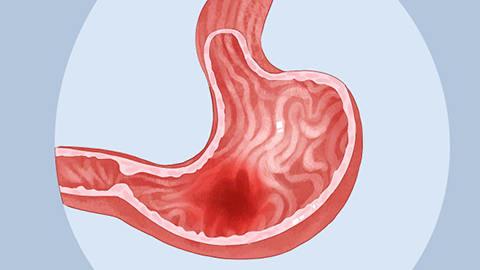
Gastric ulcers are a very common gastric disorder and can cause significant harm to the stomach. Therefore, when treating gastric ulcers, patients must not only follow their physician’s recommendations—taking medications on time and in the prescribed dosage—but also pay close attention to their daily diet. So, which foods should be avoided by individuals with gastric ulcers?
Foods to Avoid with Gastric Ulcers
Patients with gastric ulcers should avoid fried foods and pickled or cured foods. Fried foods are often unhygienic and, particularly for individuals with gastrointestinal disorders, are difficult to digest, thereby increasing the burden on the digestive tract. Such foods not only impair gastrointestinal function but may also contribute to obesity. Salt in pickled foods can stimulate gastric contractions; excessive consumption may damage the stomach. Moreover, pickled foods contain high levels of nitrates and nitrites, which are direct risk factors for gastric cancer.

Patients with active gastric ulcers should consume primarily liquid or semi-liquid diets—for example, congee (rice porridge) and soft, well-cooked noodles. During the active phase, intake of vegetables and fruits should be minimized. If active gastric ulcer is complicated by gastrointestinal bleeding, fasting is required, and symptomatic treatment—including acid suppression and intravenous fluid replacement—should be initiated. Once bleeding has ceased and the patient’s condition has stabilized, a liquid diet should be gradually resumed.
In daily life, patients should maintain regular, disciplined eating habits: avoid spicy and irritating foods, refrain from overeating or binge eating, and avoid staying up late. We hope this information proves helpful.


