


Is chronic non-atrophic gastritis with bile reflux serious?

In daily life, many patients have unhealthy lifestyle and dietary habits. These habits can trigger chronic non-atrophic gastritis, posing significant health risks. So, how serious is chronic non-atrophic gastritis with bile reflux?
Is chronic non-atrophic gastritis with bile reflux serious?
Chronic non-atrophic gastritis with bile reflux is generally not considered severe. It is a common digestive system disorder encountered in clinical practice and is distinguished from atrophic gastritis. Compared to atrophic gastritis, non-atrophic gastritis is relatively milder. When accompanied by bile reflux, patients may experience symptoms such as upper abdominal pain, acid regurgitation, bitter taste in the mouth, and heartburn. During gastroscopy, findings may include mucosal hyperemia and edema, pale yellow gastric fluid, and bile coating the gastric wall. The primary causes of chronic non-atrophic gastritis with bile reflux are commonly seen in patients with impaired gastrointestinal motility and those who have undergone cholecystectomy. Treatment mainly involves medications that suppress gastric acid secretion, enhance gastrointestinal motility, and bind or absorb bile in the gut. Proton pump inhibitors such as esomeprazole, rabeprazole, and pantoprazole are frequently prescribed to inhibit gastric acid secretion.
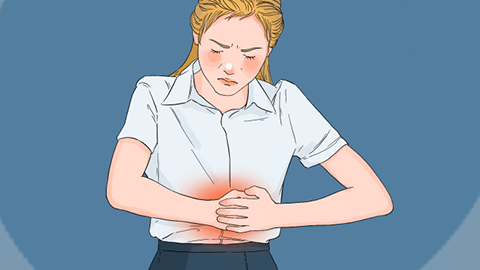
Due to impaired gastric motility, patients should avoid spicy and irritating foods. Instead, they should consume bland, easily digestible meals and maintain regular mealtimes. For patients with severe reflux, elevating the head of the bed during sleep is recommended to reduce reflux episodes. If lifestyle and dietary modifications yield no noticeable improvement, patients should consult their physician for guidance on prokinetic agents and bile-neutralizing medications. In patients who have undergone gastrectomy, bile reflux may be observed during gastroscopy due to reduced gastric volume and compromised gastric function.
Patients should adopt a pattern of eating smaller, more frequent meals—avoiding overeating or binge eating—and prioritize bland foods while maintaining adequate hydration. We hope this information proves helpful to you.


