


The most common cause of cirrhosis is

Liver cirrhosis is a chronic liver disease; prompt and appropriate treatment is essential upon diagnosis. Delayed or inappropriate treatment may lead to severe complications. So, what is the most common cause of liver cirrhosis?
The most common cause of liver cirrhosis is
Viral hepatitis remains the leading cause of liver cirrhosis, particularly chronic hepatitis B virus (HBV) and hepatitis C virus (HCV) infections, which trigger persistent hepatic inflammation that can ultimately progress to cirrhosis. Long-term use of certain medications may cause drug-induced liver injury, potentially culminating in cirrhosis. Fortunately, with the availability of specific antiviral agents, viral hepatitis is now relatively easier to control. Meanwhile, as living standards improve, nonalcoholic fatty liver disease (NAFLD) has become increasingly prevalent. NAFLD may progress to nonalcoholic steatohepatitis (NASH), then to hepatic fibrosis, and eventually to cirrhosis.
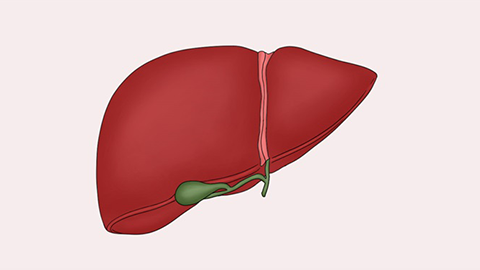
Patients with liver cirrhosis should carefully regulate their diet, as proper nutrition significantly supports recovery. Alcohol consumption must be strictly avoided. Spicy or otherwise irritating foods should also be excluded. Additionally, high-sugar foods should be limited, excessive salt intake avoided, and hard or coarse foods omitted. Patients should also avoid fish rich in eicosapentaenoic acid (EPA). A well-balanced diet greatly benefits physical recovery. Salt, in particular, is contraindicated for cirrhotic patients: hepatic damage impairs urea synthesis and reduces urinary excretion, resulting in sodium retention. When plasma protein levels decline, this predisposes patients to abdominal distension or ascites. Therefore, cirrhotic patients must strictly limit dietary sodium intake.

Once symptoms of liver cirrhosis appear, patients should seek medical attention promptly to prevent disease progression. We hope this information proves helpful to you.


