


Why Do I Have Bad Breath?
Aug 24, 2022
Source: Cainiu Health

Dr. Zhang Liwen
Introduction
Halitosis is caused by untreated dental caries, residual roots, residual crowns, removable dentures, gingivitis, and periodontitis. Specifically, halitosis resulting from dental caries and periodontitis arises from the accumulation of substantial food debris and dental plaque—along with calculus—in carious lesions and periodontal pockets. This food debris and plaque produce hydrogen sulfide and ammonia, leading to halitosis.
Halitosis (bad breath) is a common condition. Many individuals suffer from halitosis without being aware of it. Often, people only realize they have halitosis when others begin to distance themselves socially. Halitosis can range from mild to severe, and tends to be more pronounced in individuals who smoke or consume alcohol.
What Causes Halitosis?
Halitosis is commonly caused by untreated dental caries, retained tooth roots, fractured crowns, removable dentures, gingivitis, and periodontitis. Specifically, halitosis resulting from dental caries and periodontitis arises from the accumulation of food debris and dental plaque—along with calculus—in carious lesions and periodontal pockets. These residues foster bacterial growth that produces volatile sulfur compounds (e.g., hydrogen sulfide) and ammonia, leading to unpleasant oral odor. Additionally, systemic conditions—including gastrointestinal disorders and chronic frontal sinusitis—may also contribute to halitosis. The above health information is for general educational purposes only; definitive diagnosis and management require evaluation by a qualified healthcare professional at an accredited medical institution.
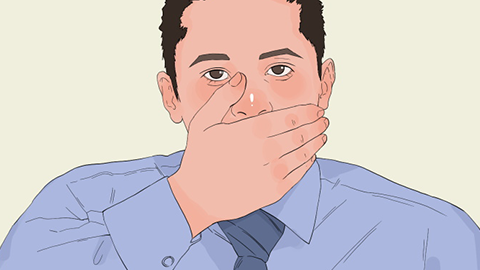
Individuals with isolated halitosis should modify their lifestyle habits to eliminate the problem. For those whose halitosis stems from underlying physical issues—such as dental calculus or gastrointestinal disease—both traditional Chinese medicine (TCM) and Western medical treatments may be considered. Since halitosis is closely linked to daily habits, effective management requires correcting unhealthy behaviors: reducing intake of sweets and spicy foods, minimizing late-night activity, mastering proper brushing techniques, brushing thoroughly for adequate duration twice daily, and consistently using dental floss to maintain optimal oral hygiene. As certain gastrointestinal disorders may underlie halitosis, TCM therapies aimed at regulating gastrointestinal function—enhancing peristalsis and facilitating elimination of toxins and residual food—can be beneficial.
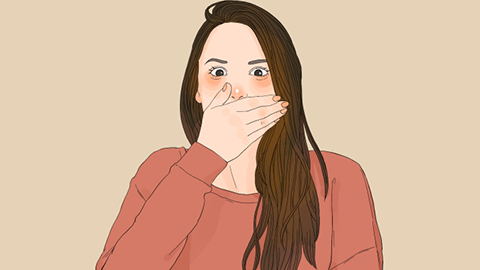
Patients may consider treatment with antibiotics, antimicrobial agents, or anti–Helicobacter pylori medications, depending on clinical assessment. We hope this information proves helpful.


