


What Causes Bad Breath and How to Address It

Many people have experienced bitter taste and bad breath, and what frustrates numerous individuals is that despite brushing their teeth diligently twice daily—morning and night—the problem persists. More importantly, chronic bitter taste and halitosis can significantly impact one’s psychological well-being; in severe cases, it may even lead to feelings of inferiority.
What Causes Bad Breath?
Poor oral hygiene, indigestion, oral diseases, and endocrine imbalances are all potential causes of halitosis. Bad breath is a common condition in daily life and can adversely affect psychological health and social interactions. However, its underlying causes are diverse. Neglecting oral hygiene or consuming foods with strong odors—such as garlic, onions, leeks, and coffee—can trigger halitosis. It may also stem from indigestion: when food remains undigested in the gastrointestinal tract, it begins to decompose; if these decaying substances linger too long in the stomach, bacterial action produces foul-smelling gases. Oral diseases—including periodontitis, gingival bleeding, and increased inflammatory exudates—can likewise cause halitosis. Organic components within the exudates undergo sulfuration and volatilization, generating unpleasant odors. Furthermore, normal organ function relies on hormonal secretion; prolonged endocrine imbalance impairs digestion and absorption, leading to accumulation of putrefactive substances and subsequent halitosis.
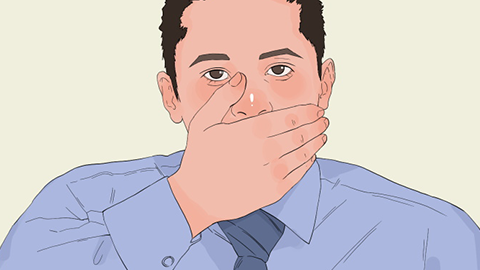
Specific treatment for halitosis should be tailored according to its underlying cause. For instance, if halitosis results from consumption of pungent foods or medications—such as leeks, scallions, garlic, or stinky tofu—simple measures like thorough toothbrushing or chewing sugar-free gum may suffice to eliminate the odor. If inadequate brushing and retained food debris are responsible, patients should learn and adopt proper brushing techniques. Additionally, halitosis may originate from oral disease and thus require targeted dental intervention.

Patients experiencing persistent halitosis should seek timely medical evaluation to avoid delays in diagnosis and treatment. We hope this information proves helpful.


