


What is a gingival fistula?

Many people believe teeth are extremely resilient structures—capable of chewing hard foods—and thus pay little attention to their oral hygiene and maintenance in daily life. Consequently, numerous individuals develop gingival fistulas. Prompt treatment is essential upon detection; otherwise, various uncomfortable symptoms will persist and worsen. So, what exactly is a gingival fistula?
What Is a Gingival Fistula?
A gingival fistula is a common oral condition. There are multiple causes for dental fistulas in daily life, and timely medical intervention is crucial once identified. Gingival fistulas primarily arise from untreated or inadequately managed gingivitis, which progresses to apical periodontitis. As inflammation spreads to the root apex, an abscess may form. If left untreated, the abscess can penetrate the alveolar bone plate, periosteum, and gingiva, ultimately draining through a fistulous tract on the gingiva. Once the infectious exudate drains, the fistula typically closes spontaneously. However, if pus reaccumulates, the fistula will reopen.
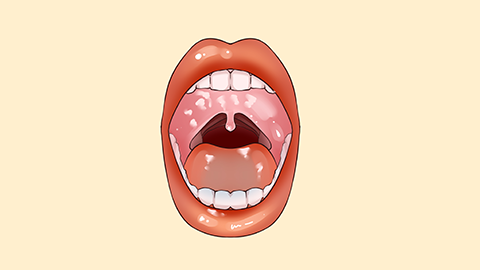
Gingival fistulas themselves often lack distinctive symptoms. Since they commonly represent a chronic manifestation of apical periodontitis, and because the inflammatory process has already entered a chronic phase, patients typically do not exhibit classic acute clinical signs. Notably, prior to fistula formation, patients often experience gingival swelling.

In daily life, patients should maintain a positive mindset, actively cooperate with their healthcare providers during treatment, strictly adhere to prescribed medication regimens (both dosage and timing), and practice diligent oral care—thereby facilitating prompt improvement of their condition. We hope this information proves helpful.


