


What should I do about bad breath caused by gastrointestinal issues?

People with poor gastrointestinal health are most prone to halitosis (bad breath), primarily due to food stagnation in the stomach. Halitosis can also cause considerable inconvenience in daily life. Therefore, maintaining healthy lifestyle habits is critically important. Breathing fresh air can effectively boost self-confidence. But what should be done if halitosis is caused by gastrointestinal issues?
How to Address Gastrointestinal-Related Halitosis
For halitosis originating from gastrointestinal disorders, identifying the underlying cause is essential before initiating appropriate pharmacological treatment. Gastrointestinal-related halitosis may stem from either functional or organic disease. In functional dyspepsia, delayed gastric digestion leads to excessive fermentation of undigested food in the stomach, producing foul odors. This condition can be improved using prokinetic and digestive-enhancing medications such as domperidone, Jianwei Xiaoshi Pian (a traditional Chinese digestive aid), and Dashanzha Wan.

If the halitosis is caused by Helicobacter pylori infection, targeted anti-H. pylori therapy is required. Commonly prescribed medications include amoxicillin, clarithromycin, pantoprazole, and colloidal bismuth pectin; treatment typically lasts approximately six weeks. Only after completing the antibiotic regimen and confirming eradication of H. pylori via follow-up testing will halitosis symptoms improve. Concurrently, meticulous oral hygiene is vital—indeed, it is the most critical component in managing halitosis. Brushing teeth alone is insufficient; proper brushing technique and effectiveness must also be ensured.
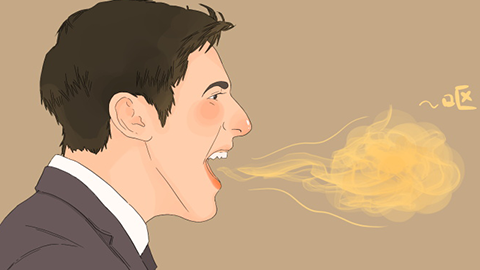
Patients are advised to maintain rigorous oral hygiene. Incorporating fresh vegetables into the diet helps replenish vitamin C. Additionally, chewing fresh coriander (cilantro) may help mask unpleasant odors with its distinctive, refreshing aroma. We hope this information proves helpful to you.


