


Which department should I visit for mumps?

Mumps is highly prevalent in the general population, especially among children. After infection, the disease typically manifests acutely and may be accompanied by persistent high fever and various adverse reactions over a relatively short period. To achieve timely and complete recovery, it is essential to first identify the specific underlying cause of the condition. So, which medical specialty should one consult for mumps?
Which Department Should One Visit for Mumps?
It is recommended to visit the Department of Infectious Diseases for mumps. Mumps may result from bacterial infection or compromised immunity; however, in most cases, it is caused by a viral infection—hence termed “viral mumps.” When pathogenic organisms infect the body, they may spread via the bloodstream or lymphatic system to the parotid glands. Additionally, impaired immunity can disrupt normal salivary secretion function of the parotid glands, significantly reducing their secretory capacity and thereby increasing susceptibility to both bacterial and viral infections—leading to a marked rise in diagnosed cases of mumps. Moreover, certain autoimmune disorders—such as Sjögren’s syndrome—may also contribute to its development.
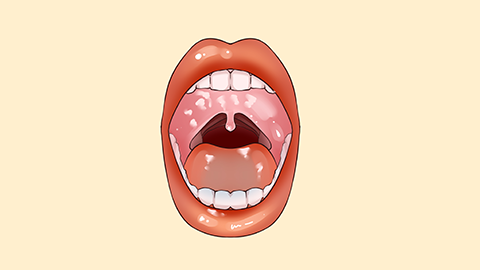
Mumps can be managed through general supportive therapy, antibiotic treatment (if bacterial co-infection is present), or other targeted interventions. For mild cases, conservative management is generally advised. In contrast, for acute suppurative parotitis, early pharmacological treatment should be prioritized. Furthermore, sialogogues (agents that stimulate salivary secretion) may be employed to ensure adequate saliva production.
In daily life, maintain regular, balanced meals; avoid spicy, irritating, or overly rich foods; refrain from binge eating; and ensure adequate rest by avoiding late-night activities. We hope this information proves helpful.


