


What should I do for chronic pulpitis?
Aug 24, 2022
Source: Cainiu Health

Dr. Zhang Liwen
Introduction
The patient has chronic pulpitis, which typically requires localized dental treatment. Chronic pulpitis may present with a history of spontaneous pain, pain triggered by cold or hot stimuli, and nocturnal pain; however, the pain is generally not severe. For patients with chronic pulpitis, either pulp devitalization or pulpectomy is performed. First, local anesthesia is required—lidocaine or procaine may be used.
Patients suffering from toothache often experience excruciating pain, and pulpitis—particularly acute pulpitis—is among the most painful dental conditions. When it flares up, the pain may radiate to the head, causing severe distress. It is therefore essential to identify an appropriate treatment for pulpitis to effectively alleviate symptoms. So, what should be done for chronic pulpitis?
Management of Chronic Pulpitis
Patients diagnosed with chronic pulpitis typically require localized dental treatment. Chronic pulpitis may present with spontaneous pain—or a history of spontaneous pain—as well as pain triggered by thermal stimuli (hot or cold) and nocturnal pain; however, the pain is generally less intense than in acute cases. For patients with chronic pulpitis, treatment options include devitalization therapy or pulpectomy. Initially, local anesthesia is administered—commonly using lidocaine or procaine. Following pulpectomy, a devitalizing agent is applied to inactivate the dental pulp nerve. Agents such as metallic arsenic or arsenic-free devitalizers may be used to achieve nerve necrosis and thereby relieve pain.
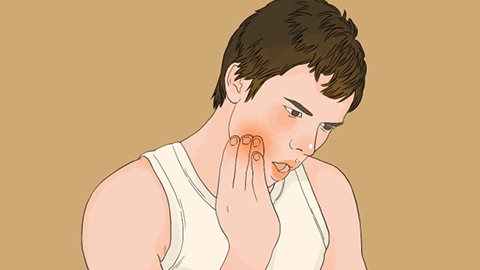
Patients with chronic pulpitis should avoid consuming irritant foods—including hot, cold, sour, or sweet items—as these may exacerbate inflammation and trigger secondary inflammatory responses in adjacent tissues. In pulpitis, most blood vessels within the pulp become dilated and engorged with blood, accompanied by serous exudate and inflammatory edema. At this stage, dentinal sensitivity is markedly increased; even strong dietary stimuli can provoke severe pain. Patients should also avoid meat, spicy, and salty foods, because during active pulpitis, the pulp chamber and periapical tissues are swollen and exhibit accelerated blood circulation. Consumption of fatty, meaty, or salty foods may further aggravate local vascular congestion. In daily life, patients should refrain from eating hard or tough foods, which may cause excessive friction and trauma to the periodontal and gingival tissues, thereby intensifying tooth pain.

When symptoms of pulpitis appear, patients should seek prompt dental care to prevent progression to more serious complications. We hope this information proves helpful.


