


What precautions should be taken for mumps?
Aug 24, 2022
Source: Cainiu Health

Dr. Zhang Liwen
Introduction
For mumps, maintaining good oral hygiene is essential—teeth should be brushed both in the morning and at night, and rinsing the mouth with warm saline solution after each meal is recommended. Since mumps is a respiratory infectious disease, patients often experience pain and swelling of the parotid glands following onset. Chewing food may become difficult; therefore, dietary management is crucial. A diet consisting primarily of semi-liquid and liquid foods is advised.
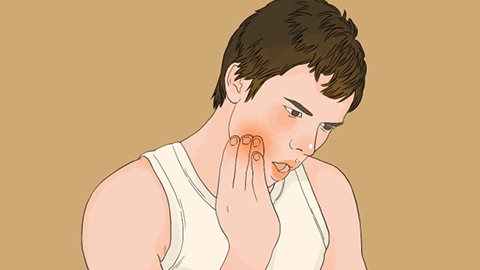
Mumps is a highly prevalent infectious disease in clinical practice. Children and adolescents are the primary affected groups, although a small number of adults may also contract this illness. Following infection, patients typically present with facial swelling, accompanied by symptoms such as fever and loss of appetite. So, what precautions should be taken when managing mumps?
What Precautions Should Be Taken with Mumps?
Patients with mumps should maintain good oral hygiene—brushing teeth thoroughly both morning and night—and rinsing the mouth with lukewarm saline solution after each meal. Since mumps is a respiratory infectious disease, it commonly causes pain and swelling of the parotid glands, making chewing difficult. Therefore, dietary management is essential: meals should consist primarily of semi-liquid or liquid foods, such as light vegetable soups or fresh fruit juices, while acidic and hard foods should be avoided.

Additionally, patients should drink ample warm water throughout the day. Thorough mouth rinsing after every meal is crucial, as maintaining optimal oral hygiene plays a vital role in preventing secondary infections. Smoking and alcohol consumption should be strictly avoided. Living environments should remain well-ventilated, and patients must actively cooperate with medical treatment. If diagnosed with mumps, isolation during treatment is strongly recommended.
Affected individuals should remain indoors and rest in bed while increasing fluid intake. If medical consultation is necessary, patients must wear a mask and avoid contact with others, as mumps patients serve as infectious sources. We hope this information proves helpful to you.


