


What Causes Recurrent Gum Swelling and Pain?

Gingival swelling and pain is an experience many people never wish to undergo again after experiencing it once—primarily because the discomfort can be extremely severe, posing a significant challenge to the patient’s entire physiological system. Some individuals suffer from recurrent gingival swelling and pain; what, then, are the underlying causes?
Causes of Recurrent Gingival Swelling and Pain
Recurrent gingival swelling and pain are typically caused by inflammation. Such symptoms represent gingivitis—an inflammatory condition affecting the gums—that may occur in patients with either gingivitis or periodontitis. In cases of impacted wisdom teeth, the surrounding gingiva may also become swollen and painful, a condition known as pericoronitis. Moreover, gingival swelling and pain may arise from gingivitis, periodontitis, or pericoronitis associated with wisdom teeth. It is essential to seek prompt medical evaluation at a hospital to identify the precise cause of the gingival swelling and pain, followed by appropriate treatment under professional medical guidance.
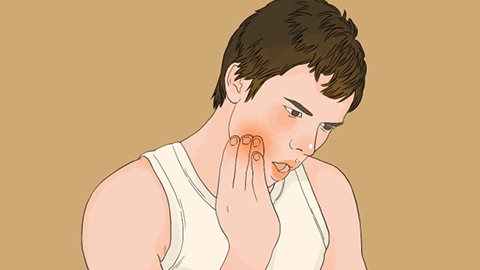
Gingivitis and periodontitis result from bacterial adhesion and proliferation triggered by local dental calculus and plaque accumulation. Removing dental plaque effectively alleviates gingival inflammation. For gingival swelling and pain caused by pericoronitis, thorough debridement is required to eliminate the source of recurrent inflammation. In cases of recurrent pericoronitis around impacted wisdom teeth, extraction of the affected wisdom tooth is often recommended. However, if a wisdom tooth has erupted properly and established a functional occlusal relationship with its opposing counterpart—but persistent inflammation recurs due to a distal gingival flap covering the occlusal surface—then a gingivectomy (surgical removal of the redundant gingival flap) may be performed.

Patients are advised to maintain rigorous oral hygiene—brushing teeth thoroughly twice daily (morning and evening) and rinsing the mouth after meals. Consumption of excessively acidic, sweet, cold, or hot foods should be minimized, as these may irritate the gums and trigger swelling or pain. Should gingival swelling and pain occur, self-medication is strongly discouraged; instead, patients should consult a healthcare professional for targeted, evidence-based treatment to prevent disease progression. We hope this information proves helpful.


