


What Causes Sudden Gum Swelling and Pain?

Many people experience gingival swelling and pain in daily life—a distressing condition that most individuals, having experienced it once, would prefer never to encounter again. This is primarily because gingival swelling and pain can be extremely severe, posing a significant challenge to the entire body system. Special attention must therefore be paid to this issue. So, what causes sudden onset of gingival swelling and pain?
What Causes Sudden Gingival Swelling and Pain?
Sudden gingival swelling and pain are mainly caused by conditions such as gingival papillitis, periapical abscess, pericoronitis of impacted third molars (wisdom teeth), and generalized gingivitis. If gingival papillitis occurs concurrently with food impaction, the underlying cause of impaction should be identified and all trapped food debris thoroughly removed. In the case of a periapical abscess, the root cause lies in apical inflammation; prompt root canal treatment is essential to eliminate pus from both the root canal and the apical region, thereby gradually reducing gingival swelling. Pericoronitis typically results from improper positioning of the wisdom tooth, leading to accumulation of food debris around it. Timely cleaning and appropriate medication are required to resolve the inflammation. Generalized gingivitis necessitates ongoing periodontal therapy.
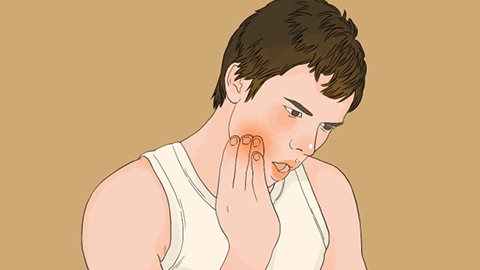
Acute apical periodontitis may also cause gingival swelling and pain. This condition is primarily triggered by microbial infection. When pathogenic microorganisms—such as those found in dental calculus—accumulate in the oral cavity, they not only contribute to periodontal disease but may also lead to deep caries. If deep caries remains untreated, it can progress to apical lesions. During acute apical periodontitis, patients often experience intense swelling and pain localized to the affected tooth. Therefore, root canal treatment is indicated for apical lesions; successful treatment alleviates both pain and swelling and significantly reduces the risk of recurrence.

Patients are advised to maintain good oral hygiene by brushing their teeth twice daily (morning and night) and rinsing after meals. They should avoid consuming excessively acidic, sweet, cold, or hot foods, which may irritate the gums and trigger swelling and pain. Additionally, high-sugar and high-starch foods should be avoided before bedtime or prior to meals to help prevent dental caries. We hope this information proves helpful.


