


What is the best treatment outcome for mumps?

Mumps is not particularly severe. With timely detection and treatment, it can be effectively controlled. However, mumps can progress rapidly, leading to rapid and sustained swelling of the parotid glands and potentially triggering certain neurological complications. So, what constitutes the optimal therapeutic outcome for mumps?
What Is the Optimal Therapeutic Outcome for Mumps?
Ribavirin and Jinhuang Powder may be used appropriately in treatment. Most patients gradually improve following treatment; however, some individuals with mumps develop associated complications requiring hospitalization. A subset of patients develops suppurative parotitis—a bacterial infection typically affecting only one parotid gland. Since this condition is non-contagious, primary management focuses on anti-infective therapy. In certain pediatric cases, incision and drainage may be necessary. Patients often experience psychological changes such as anxiety, depression, tension, and paranoia. In severe cases, antidepressant therapy may be indicated.
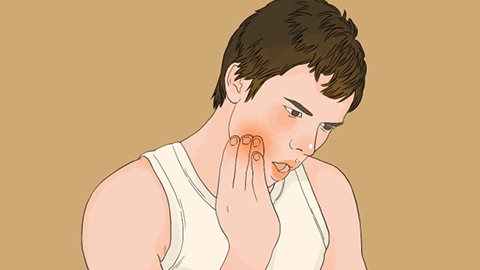
Numerous treatment options exist for mumps; however, selection of the most appropriate approach—whether pharmacological or surgical—depends on the patient’s specific clinical presentation and overall health status. Mumps is a common disease that can significantly disrupt daily life. During treatment, intravenous administration, traditional Chinese medicine (TCM), or targeted management of complications may be employed as clinically indicated.

In daily life, patients should maintain regular dietary habits, avoiding spicy, stimulating, or excessively rich foods, refraining from binge eating, and ensuring adequate rest by avoiding late-night activities. We hope this information proves helpful to you.


