


What Is the Normal Endometrial Thickness?

The endometrium is the inner lining of the uterus, which undergoes cyclical changes in response to fluctuations in female hormone levels. Abnormalities in the endometrium can cause numerous health issues for women. So, what constitutes a normal endometrial thickness?
What Is the Normal Endometrial Thickness?
Normal endometrial thickness is not an absolute value, as it varies throughout the menstrual cycle. At the end of menstruation, the endometrium is relatively thin—typically measuring 0.2–0.5 cm—because the previous layer has just been shed. As ovarian follicles begin to mature and secrete hormones, the endometrium starts to proliferate. From this point until ovulation, the endometrium gradually thickens, reaching approximately 0.9–1.0 cm.
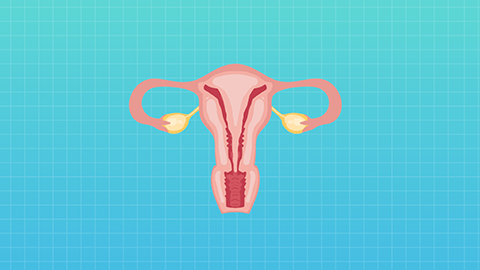
After ovulation, the ovaries secrete both estrogen and progesterone, prompting further endometrial proliferation. By mid-luteal phase—approximately one week after ovulation—the endometrium typically reaches a thickness of 1.2–1.5 cm, occasionally up to 2.0 cm, but generally does not exceed 2.0 cm. An endometrial thickness greater than 2.0 cm may indicate focal hyperplasia or endometrial polyps. Such excessive proliferation—whether diffuse or localized—can impair embryo implantation.
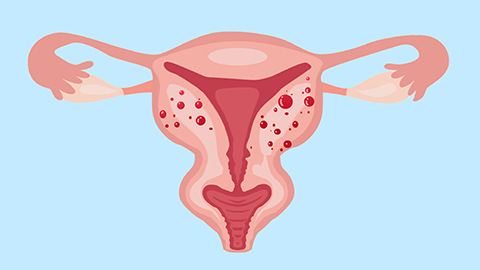
If menstrual irregularities occur—for example, abnormal cycle length—or if ultrasound reveals structural abnormalities or heterogeneous echogenicity of the endometrium, further diagnostic evaluation is warranted before initiating treatment. Endometrial thickening may result from conditions such as endometrial hyperplasia, endometriosis, or endometritis—all of which can adversely affect embryo implantation and fertility. We hope this information is helpful to you. Wishing you good health and happiness!


