


What Causes Endometrial Thickening?
Aug 24, 2022
Source: Cainiu Health

Dr. Lv Aiming
Introduction
There are numerous causes of endometrial thickening, with the most common being:
1. Ovarian dysfunction—This condition often leads to hormonal imbalances in ovarian secretion, resulting in clinical manifestations of endometrial thickening.
2. Abnormal estrogen secretion—Prolonged exposure of the endometrium to estrogen without periodic secretory-phase transformation causes the endometrium to remain persistently thickened.
Endometrial thickening has both physiological and pathological causes. Physiological endometrial thickening is a normal phenomenon; however, pathological endometrial thickening warrants clinical attention. So, what causes endometrial thickening?
What Causes Endometrial Thickening?
There are numerous causes of endometrial thickening, with the most common including:
1. Ovarian dysfunction: This may lead to hormonal imbalances—particularly in ovarian hormone secretion—resulting in clinically apparent endometrial thickening.
2. Abnormal estrogen secretion: Prolonged unopposed estrogen stimulation—without the counterbalancing effect of progesterone—prevents cyclical secretory-phase transformation of the endometrium, causing persistent endometrial thickening.
3. Endocrine-active tumors: For example, pituitary gonadotropin-secreting tumors or ovarian granulosa cell tumors can disrupt hormonal regulation and induce endometrial thickening.
4. Obesity: Excess adipose tissue can lead to increased peripheral aromatization of androgens into estrogens, thereby promoting endometrial thickening. Patients exhibiting this condition should seek timely medical evaluation and treatment.
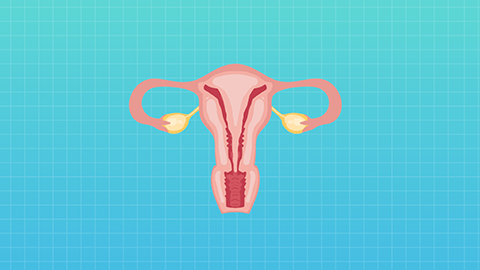
Endometrial thickening can occur in women of all ages, including adolescents and women of reproductive age. Its primary clinical consequences include irregular vaginal bleeding and menstrual cycle disturbances. Symptoms may include menorrhagia (heavy menstrual bleeding), hypomenorrhea (light menstrual flow), oligomenorrhea (infrequent menstruation), or postmenopausal vaginal hemorrhage. Additionally, patients often experience general menstrual irregularities.
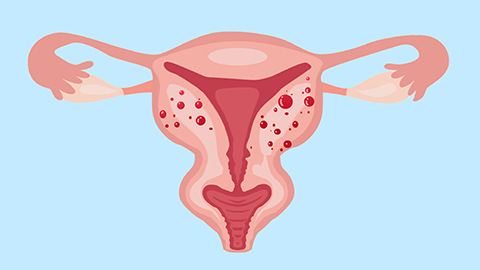
Moreover, perimenopausal and postmenopausal women are also at increased risk for endometrial thickening. The predominant symptom is irregular vaginal bleeding—such as intermenstrual spotting, prolonged postmenstrual bleeding, or continuous bleeding lasting one to two months. We hope this information is helpful. Wishing you good health and happiness!


