


Can mumps occur once a year?

Most mumps patients develop a certain degree of immunity—sometimes lifelong immunity—after a single mumps infection, making recurrence relatively rare. It should be noted that mumps is contagious to some extent. During treatment, strict isolation measures must be implemented, and patients should closely monitor their symptoms and body temperature. So, can mumps occur once a year?
Can mumps recur annually?
Not all types of parotitis occur only once in a lifetime. Patients with epidemic mumps typically do not experience reinfection after recovery, as lifelong immunity develops following resolution of the disease; thus, they contract it only once. However, patients with suppurative parotitis, chronic recurrent parotitis, or chronic obstructive parotitis may experience repeated episodes—potentially multiple times—not just once. Therefore, individuals diagnosed with parotitis should seek medical evaluation: those with epidemic mumps require antiviral therapy, while those with bacterial parotitis need antibiotic treatment.
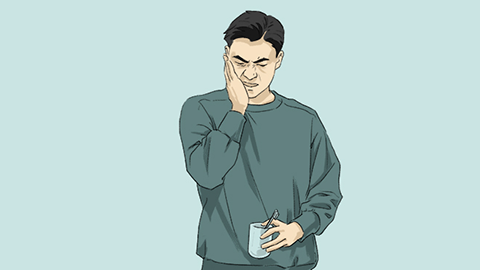
Parotitis encompasses several distinct types. Some forms—such as epidemic mumps—occur only once in a lifetime, whereas others may recur repeatedly, possibly due to different causative pathogens or underlying chronic conditions. Epidemic mumps—the type commonly referred to as “mumps”—is a highly contagious acute respiratory infection caused by the mumps virus. It primarily affects children and adolescents and is characterized by fever and swelling in the parotid gland region; complications such as orchitis or oophoritis may also occur. This form confers lifelong immunity, meaning it manifests only once in a lifetime and does not lead to secondary disease.

Patients are advised to pay attention to dietary habits during treatment—spicy foods should be avoided—and ensure adequate rest. We hope this information is helpful to you.


