


Can poor spleen and stomach function cause bad breath?

For people today, the spleen and stomach are generally quite weak. Most individuals feel their gastrointestinal function is suboptimal, and many appear underweight—even avoiding dietary fat. In fact, their nutrient absorption capacity is also significantly impaired. When the spleen and stomach are weakened, any dysfunction in these organs can severely impact overall health. So, can poor spleen-stomach function cause halitosis (bad breath)?
Can poor spleen-stomach function cause halitosis?
Yes, poor spleen-stomach function can indeed lead to halitosis. The primary cause of halitosis is Helicobacter pylori infection. After entering the human body, H. pylori produces urease to hydrolyze urea into ammonia, thereby forming a protective “ammonia cloud” around the bacteria to neutralize gastric acid and evade its bactericidal effects. Patients with weakened spleen-stomach function often suffer from indigestion and impaired gastrointestinal motility, causing ingested food to remain in the stomach for prolonged periods—leading to fermentation.
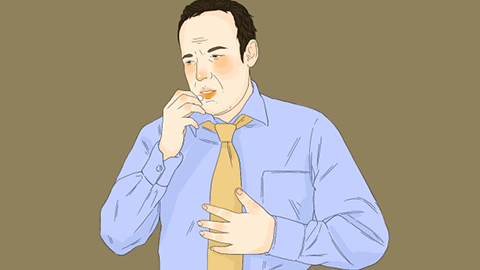
Halitosis resulting from poor spleen-stomach function is typically associated with chronic gastritis or enteritis. For such chronic gastrointestinal disorders, traditional Chinese medicine (TCM) regulation and treatment is recommended. Self-selection and self-administration of medications are inappropriate. Only an experienced TCM practitioner—after conducting a comprehensive assessment via observation, auscultation and olfaction, inquiry, and palpation—can prescribe appropriate herbal formulas. During herbal treatment, patients must strictly follow the physician’s instructions regarding dosage and frequency, and should avoid discontinuing treatment prematurely.
In daily life, patients should maintain a positive mental outlook, actively cooperate with their physicians’ treatment plans, take prescribed medications on time and in correct doses, and pay close attention to routine self-care—so as to facilitate prompt improvement of their condition. We hope this response has been helpful to you.


