


Is drinking brown sugar ginger water effective for dysmenorrhea?

On the path to relieving dysmenorrhea, most women share a common practice: drinking brown sugar and ginger tea. Yet some women report that this remedy provides no relief. So, does brown sugar and ginger tea actually help alleviate menstrual pain?
Does Brown Sugar and Ginger Tea Help Alleviate Dysmenorrhea?
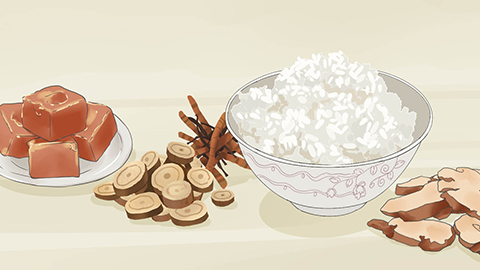
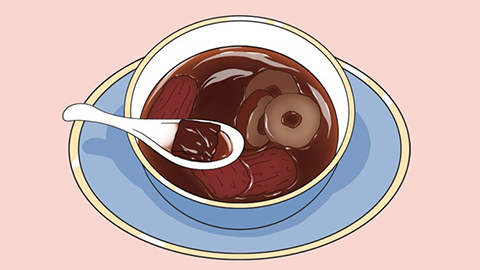
If dysmenorrhea is mild, brown sugar and ginger tea can be effective. According to Traditional Chinese Medicine (TCM), dampness obstructing the blood circulation leads to pain due to stagnation. In such cases, ginger-brown sugar tea is particularly suitable. Brown sugar is warm in nature and moistening, with properties that dispel cold and warm the uterus—effects distinct from those of white sugar. Ginger, meanwhile, warms the middle burner and serves as an excellent antiemetic. When combined, ginger and brown sugar synergistically warm the uterus, relieve nausea, and alleviate diarrhea. However, dosage must be carefully controlled: excessive consumption may lead to menorrhagia, uterine bleeding, or prolonged menstruation.
For severe dysmenorrhea, analgesics such as ibuprofen or ketoprofen may be used. It is recommended to begin taking these medications two to three days before menstruation begins. This pharmacological approach achieves an efficacy rate of up to 80%. For secondary dysmenorrhea, treatment should first target the underlying condition causing the pain; once the root cause is resolved, dysmenorrhea typically subsides immediately. In cases where chronic pelvic inflammatory disease (PID) causes dysmenorrhea, priority should be given to adequate rest, strict hygiene, improved nutrition, warmth preservation, regular physical exercise, and cultivating confidence in achieving complete recovery—alongside active, targeted treatment of the PID itself.
Caffeine intake should be avoided during menstruation. Beverages and foods such as coffee, tea, cola, and chocolate contain caffeine, which may heighten nervous system tension and exacerbate menstrual discomfort. Therefore, caffeine should be avoided throughout the menstrual period. Additionally, the fat content in coffee may irritate the small intestine; thus, it is advisable to avoid these items entirely during episodes of dysmenorrhea. We hope this information proves helpful. Wishing you optimal health and a joyful life!


