


Is chewing gum effective for bad breath?

In daily life, almost everyone experiences halitosis (bad breath) at some point. During important social interactions—especially with influential individuals—people are highly conscious of their public image. Having unpleasant breath in such situations can be extremely embarrassing, particularly for those who suffer from chronic halitosis. Some individuals turn to chewing gum as a quick fix; but does chewing gum actually help alleviate bad breath?
Does Chewing Gum Help with Halitosis?
Chewing gum may provide temporary relief from halitosis. Bad breath can stem from various causes, including long-standing poor lifestyle and dietary habits, periodontitis, oral infections, and chronic gastrointestinal disorders. Most gums contain flavoring agents and menthol, which can mask or temporarily neutralize odor. However, for lasting improvement, it is essential to identify the underlying cause of halitosis, maintain thorough oral hygiene, and treat any localized oral conditions. If gastrointestinal disease is responsible, targeted medical treatment is required. Mouthwashes, toothpastes, and medications specifically formulated to freshen breath may also be beneficial.
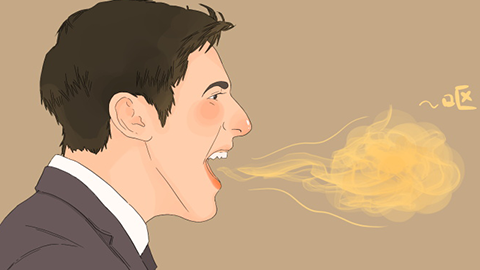
While chewing gum offers only transient relief, halitosis will persist once gum use stops. Therefore, identifying and addressing the root cause is crucial for effective management. Poor oral hygiene—such as inadequate brushing—is a common contributor: food debris left in the mouth undergoes bacterial fermentation, producing foul odors. Halitosis may also reflect systemic conditions, including diabetes, gastrointestinal disorders, or chronic sleep deprivation. Prolonged or excessive gum chewing is not recommended, as it may strain the temporomandibular joint (TMJ). Thus, the most effective approach to halitosis is accurate diagnosis followed by targeted treatment.

Physiological halitosis—caused solely by transient factors—can often be fully resolved through improved oral hygiene and a diet rich in fruits and vegetables. Pathological halitosis, resulting from an underlying disease, can be completely eliminated once the primary condition is successfully treated. If symptoms persist despite self-care measures, prompt medical evaluation and targeted therapy are strongly advised. We hope this information proves helpful.


