


What foods should be avoided with uterine fibroids?

After being diagnosed with uterine fibroids, women should pay attention to dietary restrictions. So, what foods should be avoided?
Foods to Avoid with Uterine Fibroids
Patients with uterine fibroids should avoid spicy and stimulating foods, including white liquor (baijiu), scallions, garlic, and chili peppers. They should also avoid “heat-inducing” foods such as mutton, crab, shrimp, and black carp, as these may hinder disease control. Additionally, foods containing hormones—including soy products and dairy—should be limited or avoided, since they may elevate estrogen levels, thereby promoting fibroid growth and impeding recovery. Instead, patients are encouraged to consume protein- and vitamin-rich foods to support overall nutrition and strengthen physical health. Iron-rich foods are also recommended.
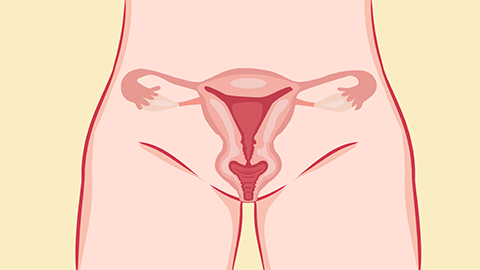
Uterine fibroids can pose significant health risks. Their presence may lead to increased menstrual flow and prolonged periods, resulting in anemia, dizziness, headache, nausea, vomiting, fatigue, and even insomnia—all of which can adversely affect daily life and work performance. Fibroids may also cause lower abdominal pain, low back soreness, urinary frequency and urgency; when large enough to compress the bladder, they may cause persistent, uncontrollable urination, while compression of the rectum may lead to constipation. Therefore, for patients experiencing clinically significant symptoms, surgical myomectomy is typically recommended for definitive treatment.
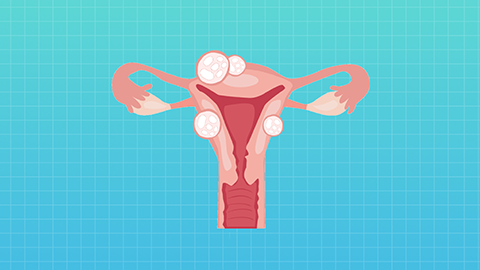
Maintain good personal hygiene to reduce the risk of gynecological infections, and undergo regular follow-up examinations. If abnormally heavy bleeding or abdominal pain occurs due to large fibroids, prompt surgical intervention is advised. It is recommended to undergo annual gynecological ultrasound, cervical screening, and vaginal discharge testing for early detection and timely management. We hope this information has been helpful. Wishing you optimal health and a joyful life!


