


What foods should be avoided when suffering from mumps?

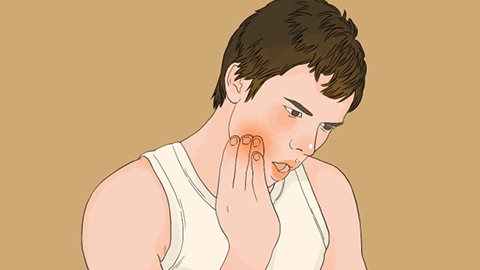
Mumps is most commonly caused by infection with the mumps virus or similar pathogens. At onset, patients typically experience prodromal symptoms such as fever, headache, and fatigue, followed by persistent swelling and pain of the parotid glands. Prompt pharmacological treatment and attention to dietary restrictions are therefore essential. So, what foods should be avoided during mumps?
Foods to Avoid During Mumps
Patients with mumps should avoid consuming crucian carp and chicken. Crucian carp is considered a “heat-inducing” food—spicy-sweet in nature and classified in traditional Chinese medicine (TCM) as a “hair-trigger” (fā wù) food, meaning it may provoke or exacerbate inflammatory conditions. Consuming it during active mumps can worsen parotid gland swelling and may further stimulate pathogenic heat and toxin accumulation, thereby impeding normal recovery. Chicken, though sweet and warm in nature, is also contraindicated: mumps is characterized in TCM by intense internal heat and toxic accumulation; ingesting warm-natured foods like chicken may aggravate liver-fire and wind-heat patterns, intensifying symptoms such as parotid pain and swelling.
Additionally, black pepper must be avoided. Its consumption tends to deplete body fluids and consume Qi, which is especially detrimental since mumps is regarded in TCM as a “heat syndrome.” Therefore, all pungent, heat-promoting foods—including chili peppers and other spicy seasonings—must be strictly avoided. When preparing meals during illness, refrain from adding chili peppers or other heating spices to prevent interference with recovery.
In daily life, maintain disciplined eating habits: avoid spicy and stimulating foods, overeating, and staying up late.


