


What should I do if I still have bad breath after brushing my teeth?
Aug 24, 2022
Source: Cainiu Health

Dr. Zhang Liwen
Introduction
You need to visit the hospital regularly for dental cleaning, caries treatment, and removal of residual tooth roots. Tartar accumulation takes time; therefore, regular professional teeth cleaning can effectively remove tartar on a scheduled basis. Moreover, the rate of tartar formation is closely related to oral hygiene practices. It is important to maintain good brushing habits daily—brushing your teeth both morning and night, and brushing for at least three minutes each time.
Bad breath is an extremely embarrassing issue. If left untreated for a prolonged period, it can significantly damage one’s self-esteem and negatively impact daily social interactions. Therefore, bad breath must be addressed promptly—and one of the most effective solutions is regular toothbrushing. But what should you do if bad breath persists even after brushing?
What to Do If Bad Breath Persists After Brushing
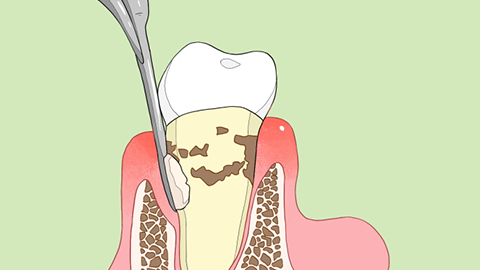
You should visit a dental clinic regularly for professional teeth cleaning, treatment of dental caries, and removal of residual tooth roots. Tartar (dental calculus) accumulation takes time to develop; however, routine professional cleanings can effectively remove it. Moreover, the rate at which tartar forms is closely linked to oral hygiene practices. Whether you maintain consistent brushing habits—such as brushing twice daily (morning and night), brushing for a full three minutes each time, and ensuring thorough coverage of all tooth surfaces—greatly influences how effectively tartar is prevented or removed. Once tartar has formed, it cannot be eliminated by brushing alone and requires professional scaling. At this stage, tartar may trigger gingival inflammation, leading to oral malodor. Thus, even with daily brushing, bad breath may still occur.
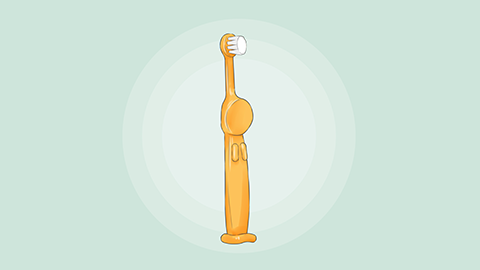
To maximize brushing effectiveness, selecting an appropriate toothbrush is crucial. Generally, dentists recommend using a toothbrush with densely packed, soft bristles, as these facilitate more efficient removal of fine debris from tooth surfaces. If budget permits, consider using an electric toothbrush, which often provides superior cleaning performance. Under normal circumstances, avoid oversized toothbrushes—excessively large heads may reduce the pressure applied to individual teeth, potentially leaving food particles trapped between teeth and along the gumline.
In daily life, cultivating healthy lifestyle and dietary habits is essential. We hope this information proves helpful to you.



