


Is bacterial parotitis still contagious after recovery?

Mumps has consistently exhibited a high incidence rate, primarily manifesting as parotid gland pain and persistent fever. Indeed, the condition is relatively severe and classified as an inflammatory infectious disease. Many individuals worry about contracting it through contact with infected patients. So, is bacterial parotitis still contagious after recovery?
Is bacterial parotitis still contagious after recovery?
Yes, bacterial parotitis remains contagious even after apparent recovery. The parotid gland is the most commonly affected salivary gland in cases of inflammation. Viral infection—most frequently by the mumps virus—is the leading cause of parotitis. Obstruction of the main parotid duct or its branches is typically the primary cause of acute parotitis; such obstruction may progress to secondary bacterial infection, potentially leading to complications including meningitis, meningoencephalitis, orchitis, pancreatitis, mastitis, and oophoritis. Acute suppurative parotitis is a painful bacterial infection. Conversely, painless, non-infectious facial swelling may also represent parotitis, which can be either acute or chronic.
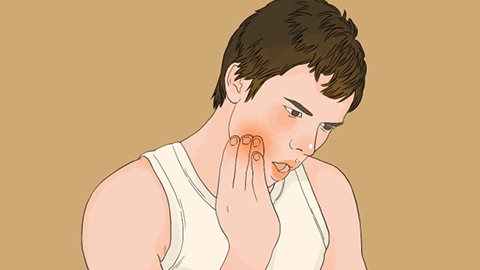
Bacterial parotitis is predominantly caused by *Staphylococcus aureus* infection, though mixed infections may also occur. Patients with bacterial parotitis often exhibit prominent systemic symptoms—including fever, anorexia, and fatigue—and thus require symptomatic, systemic anti-inflammatory therapy. Intravenous administration of penicillin and ornidazole is commonly recommended for anti-inflammatory treatment. If a local abscess forms, timely incision and drainage are essential to evacuate pus and facilitate resolution of inflammation. Generally, bacterial parotitis can be cured within one to two weeks.

In daily life, cultivating healthy lifestyle and dietary habits is crucial. We hope this response proves helpful to you.


