


How to Relieve Bad Breath

Halitosis (bad breath) is a very common phenomenon in daily life, and many people have likely experienced it. There are numerous causes of halitosis, including poor oral hygiene, certain gastrointestinal disorders, and side effects of some medications.
How to Alleviate Halitosis
Halitosis can be alleviated by chewing orange peel, drinking plenty of water, and consuming more fruits. A bitter taste in the mouth accompanied by bad breath may result from internal heat (“fire” in Traditional Chinese Medicine), nutritional deficiencies, or constipation. Generally, a bitter taste and halitosis are attributed to internal heat, which can cause these symptoms. In severe cases, patients may develop oral ulcers and fever. Vitamin B deficiency may lead to oral ulcers and oral pain. Zinc deficiency can disrupt the body’s metabolic system, also resulting in a bitter taste and halitosis.
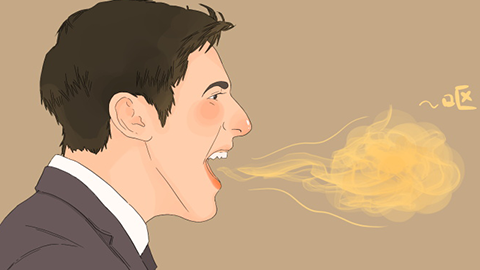
After experiencing halitosis, try chewing orange peel. Orange peel and its essential oils contain abundant vitamin C, which helps freshen breath and improve oral odor. Drinking ample water can also alleviate halitosis; most cases stem from excessive accumulation of toxins within the body. Water helps rapidly flush out these toxins, thereby refreshing breath. Eating more fruits can likewise help eliminate halitosis, as fruits contain substantial dietary fiber. This fiber stimulates peristalsis in the stomach and intestines, promoting bowel movements and preventing excessive food retention.

Therefore, patients should pay attention to dietary regulation—maintaining a balanced diet rich in whole grains, fruits, and vegetables. We hope this information is helpful to you.


