


Is proctitis related to mixed hemorrhoids?

You are likely quite familiar with mixed hemorrhoids. Their presence can cause numerous uncomfortable symptoms, significantly affecting your work and academic performance. If left untreated, mixed hemorrhoids may even compromise your overall health. Therefore, for patients diagnosed with mixed hemorrhoids, a pertinent question arises: Is there any association between proctitis and mixed hemorrhoids?
Is There a Relationship Between Proctitis and Mixed Hemorrhoids?
Yes, there is a relationship between proctitis and mixed hemorrhoids—particularly in cases of proctitis, which commonly triggers recurrent urgency, a sensation of rectal heaviness, or prominent gastrointestinal symptoms such as diarrhea or constipation. These symptoms can predispose individuals to hemorrhoids. Specifically, frequent diarrhea or constipation caused by proctitis may elevate intra-abdominal pressure or repeatedly place the body in a squatting posture. As the anal skin and mucosa represent the lowest anatomical level of the body, such conditions promote congestion, dilation, and edema of the perianal skin and mucosa—thereby triggering or exacerbating hemorrhoids and contributing to their development and progression. Thus, symptomatic proctitis can clearly precipitate or worsen hemorrhoidal disease.
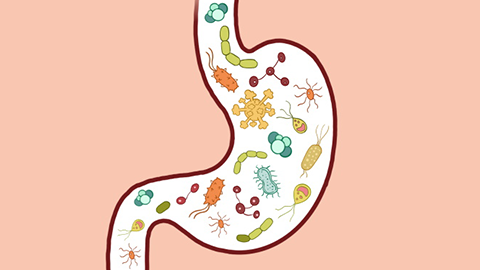
Proctitis is primarily caused by infection, inflammatory bowel disease (IBD), or inappropriate use of antibiotics. Its course is often prolonged and its etiology complex. Typically, infected patients experience abdominal discomfort, diarrhea, constipation, and other related symptoms. Pharmacotherapy remains the mainstay of treatment; however, surgical intervention may be required in severe cases.
After being diagnosed with both proctitis and hemorrhoids, it is essential to maintain an optimistic outlook, avoid excessive late-night activity, cultivate healthy lifestyle habits—including smoking cessation and alcohol abstinence—and pay close attention to local perianal hygiene.


