


What Causes Gum Bleeding During Tooth Brushing?

Gingival bleeding is a relatively common occurrence in daily life, and certain physical methods can be used for treatment. Maintaining good oral hygiene is essential; however, when this proves insufficient, medication may be necessary. So, what causes gingival bleeding during toothbrushing?
Causes of Gingival Bleeding During Toothbrushing
Gingival bleeding during toothbrushing may result from vitamin deficiencies, gingivitis, or periodontitis. For instance, deficiencies in vitamin C and vitamin B2 can lead to gingival bleeding. Gingivitis—a very common condition—occurs when dental plaque accumulates in the gingival sulcus and is not promptly removed, thereby irritating the gums and causing redness, swelling, and bleeding. Chronic periodontitis may not only cause bleeding during brushing but even spontaneous bleeding. In such cases, prompt consultation with a dentist for ongoing periodontal treatment is strongly advised.
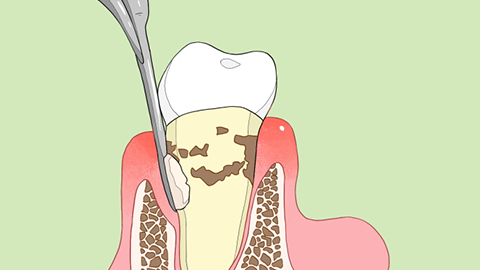
Gingival bleeding is one of the most common symptoms of oral disease and is generally categorized as either local or systemic in origin. Excessive brushing force, gingival infection, and frequent toothpick use are all common contributors to gingival bleeding. To prevent gingivitis and periodontitis, it is crucial to cultivate sound oral hygiene habits: brush teeth twice daily (morning and evening), rinse after meals to remove debris and food residues, and thereby inhibit the formation of dental plaque and calculus.
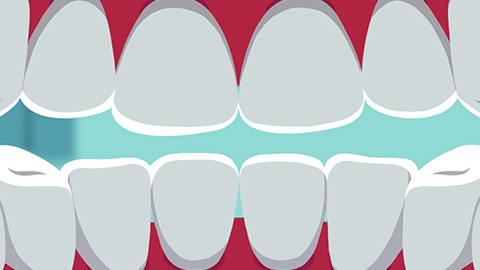
In daily practice, attention should be paid to proper brushing techniques. Generally, a soft-bristled toothbrush should be used, and teeth should be cleaned from multiple angles and across all surfaces to maximize cleaning efficacy. We hope this information proves helpful to you.


