


What Happens If Pulpitis or Periapical Periodontitis Is Left Untreated?

Untreated or inadequately managed dental caries, wedge-shaped defects, and other hard-tissue diseases may progress to pulpitis. Pulpitis is characterized by pain—often severe and intolerable—which can cause significant distress, anxiety, and difficulty eating.
What happens if pulpitis and periapical inflammation are left untreated?
In untreated pulpitis, the dental pulp nerve undergoes progressive necrosis, leading to destruction of the apical pulp tissue and subsequently the coronal pulp. Inflammation gradually spreads to the root apex. Once the apex is compromised, infection extends into the periodontal tissues and damages the cementum. Without timely intervention, bacterial invasion ensues, resulting in root inflammation, tooth discoloration (e.g., darkening), and adverse effects on psychological well-being, aesthetics, and masticatory function. Tooth mobility, displacement, and widening of interdental spaces may ultimately culminate in tooth loss. More seriously, the localized infection in the pulp can act as a focal source of infection, potentially triggering systemic diseases affecting vital organs elsewhere in the body.
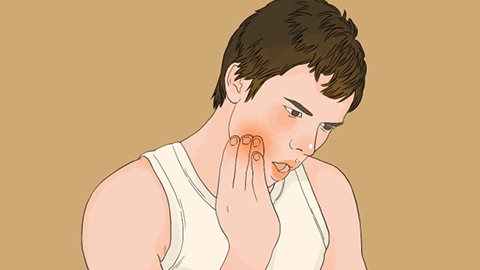
For instance, acute or subacute infective endocarditis, iritis, gastrointestinal disorders, and arthritis have all been associated with pulpitis. Mild cases of pulpitis may be managed conservatively through comprehensive lifestyle modifications—such as maintaining good oral hygiene, avoiding foods that irritate the pulp and nerves (e.g., cold or spicy items), regular toothbrushing, and using appropriate oral medications to promote recovery.
In daily life, maintain a balanced diet, avoid spicy and irritating foods, refrain from overeating or binge eating, and ensure adequate rest—avoid staying up late. We hope this information proves helpful to you.


