


What is the pain level after wisdom tooth extraction?
Aug 24, 2022
Source: Cainiu Health

Dr. Zhang Liwen
Introduction
Pain following wisdom tooth extraction is typically classified as Grade II pain. As wisdom tooth extraction is a complex dental procedure, significant postoperative pain is common and may intensify markedly if infection develops—this scenario primarily corresponds to Grade II pain. In contrast, simple extractions usually cause no pronounced pain, only mild discomfort, with a relatively low risk of infection.
Whether wisdom teeth can be extracted during pain must be determined in advance via imaging (e.g., X-ray). Only after confirming the position of the wisdom tooth can a dentist determine whether extraction is feasible. The decision to extract a wisdom tooth must be made based on the dentist’s professional assessment to prevent potential post-extraction complications. So, what level of pain does wisdom tooth extraction cause?
What Level of Pain Does Wisdom Tooth Extraction Cause?
Pain following wisdom tooth extraction is generally classified as Grade II pain. Since wisdom tooth extraction is a complex dental procedure, noticeable postoperative pain is common and may intensify due to infection—this typically corresponds to Grade II pain. In contrast, simple extractions usually cause only mild discomfort with minimal risk of infection. There is no need to overly worry about the pain associated with wisdom tooth removal, as adequate preparation—including anesthesia and pain management—is routinely performed.
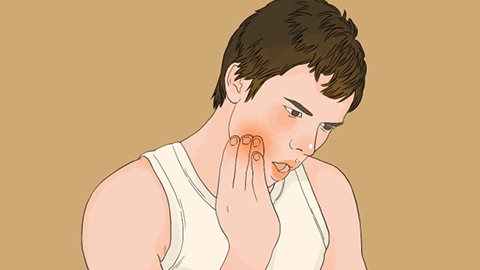
Appropriate anesthesia is administered prior to wisdom tooth extraction. Grade II pain refers to moderate pain that interferes with rest and persists, requiring analgesic medication for relief. Grade III pain is severe and unrelieved by standard medications. Grade IV pain is excruciating, persistent, and accompanied by physiological changes such as elevated blood pressure and increased pulse rate. However, individual responses to wisdom tooth extraction vary significantly.
In daily life, maintain a regular diet—avoid spicy, irritating, or excessively rich foods, refrain from overeating, and ensure adequate sleep to avoid staying up late. We hope this information is helpful to you.



