


How is chronic parotitis treated?

Mumps is, in fact, a common respiratory disease encountered in daily life. Most patients develop this condition due to viral infection; thus, mumps itself is contagious. Moreover, the current incidence of epidemic mumps remains relatively high. So, how is chronic parotitis treated?
How Is Chronic Parotitis Treated?
If chronic parotitis manifests as chronic recurrent parotitis, it is typically self-limiting and resolves spontaneously. Therefore, management focuses on enhancing immune resistance, preventing secondary infection, and minimizing triggers. Patients are advised to drink ample fluids, massage the gland daily to facilitate salivary drainage, rinse the mouth with warm saline solution, maintain good oral hygiene, and chew sugar-free gum to stimulate salivary secretion. In cases of acute inflammation, appropriate antibiotics may be selected. Clinically, parotitis is classified into three types: suppurative parotitis, epidemic (viral) parotitis, and autoimmune parotitis. Autoimmune parotitis commonly occurs in association with chronic autoimmune disorders such as Sjögren’s syndrome and IgG4-related disease.
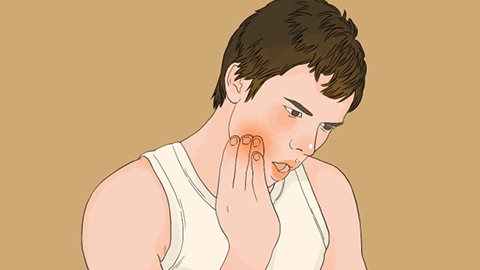
Patients with chronic parotitis should first avoid spicy or acidic foods, as these can stimulate the parotid glands to secrete saliva, thereby exacerbating symptoms. They should also stay warm to prevent colds, ensure adequate rest and sufficient sleep, avoid staying up late, and abstain from smoking and alcohol consumption. Medications must be taken strictly as prescribed by the physician. If the condition is severe and unresponsive to drug therapy, surgical intervention is often required.

Dietary recommendations emphasize soft, easily digestible foods—such as milk, meat broth, and congee. We hope this information proves helpful to you.


