


How to Prevent Pulpitis After Dental Restoration

Throughout daily life, dental defects frequently arise from various causes, making dental fillings a highly practical and commonly used treatment. However, after receiving a dental filling, certain precautions must be observed to ensure optimal effectiveness of the restoration and to prevent complications or abnormal occurrences. So, how can pulpitis be prevented following a dental filling?
How to Prevent Pulpitis After a Dental Filling
To prevent pulpitis after a dental filling, patients should schedule regular oral examinations at a dental clinic and maintain excellent oral hygiene habits. It is recommended to undergo a professional dental examination at least once per year, primarily to detect and treat dental caries early. Do not wait until pain develops—or until the pulp becomes irreversibly damaged—before seeking care; delaying treatment unnecessarily complicates management and increases patient discomfort. Adopting sound oral hygiene practices is essential: use proper brushing techniques, brush consistently (at least twice daily for two minutes each time), incorporate dental floss regularly to clean interdental spaces, and effectively control dental plaque.
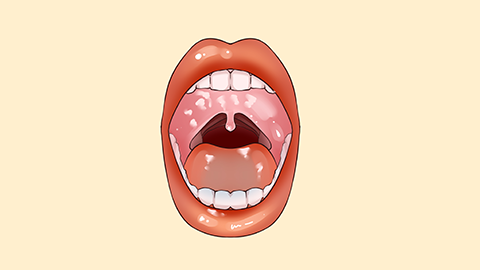
Pulpitis is an inflammatory condition affecting the dental pulp—a soft, vascularized, and innervated loose connective tissue enclosed within the tooth’s hard structures. The pulp resides in the pulp chamber, surrounded by enamel, dentin, and cementum.
In daily life, patients should maintain a positive mindset, actively cooperate with their dentist during treatment, take prescribed medications as directed (both in dosage and timing), and diligently follow routine oral care instructions—thus facilitating prompt clinical improvement. We hope this information proves helpful to you.


