


Precautions for Bacterial Parotitis

Acute parotitis is highly contagious. If an individual has a weakened immune system and comes into contact with a person suffering from acute parotitis, the risk of infection significantly increases. This condition causes swelling and pain in the parotid glands and may also lead to fever. Prompt medical treatment is essential, along with attention to certain daily precautions. So, what precautions should be taken for bacterial parotitis?
Precautions for Bacterial Parotitis
For bacterial parotitis, timely isolation and appropriate dietary management are critical. However, most cases of acute parotitis are caused by the highly contagious mumps virus. Therefore, patients should be promptly isolated upon diagnosis to prevent disease transmission to others. Individuals with acute parotitis must pay special attention to their diet, aiming for balanced and easily digestible meals. Liquid or semi-liquid foods—such as rice gruel and milk—are recommended. Meals should be light yet nutritionally adequate. Spicy, stimulating, raw, or cold foods should be avoided, as they may exacerbate symptoms. Additionally, high-fiber foods should be limited.
Bacterial parotitis may result from factors such as immunosuppression or bacterial infection. Most patients with acute parotitis are infants, young children, or adolescents, whose inherent immunity is relatively low. During peak disease seasons, they are especially susceptible to bacterial or viral invasion, substantially increasing their risk of developing acute parotitis. Bacterial infection is one of the primary causes of acute parotitis, with Staphylococcus aureus and Streptococcus species being the most common causative pathogens. Typically, bacteria originating from infections elsewhere in the body spread to the parotid gland via the bloodstream or lymphatic system, triggering the disease.
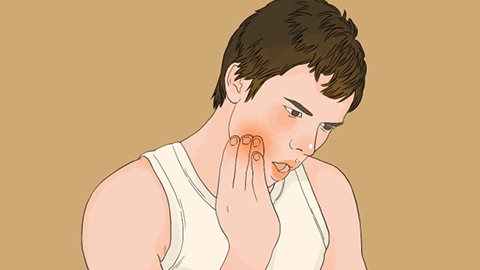
Patients are advised to prioritize bed rest, local care, proper nutrition, and oral hygiene. We hope this information is helpful to you.


