


Why hasn’t my period arrived yet—it’s already 10 days late?

Menstruation is a unique physiological phenomenon experienced by women. Under normal circumstances, a woman’s menstrual cycle lasts approximately 28 days. Variations of up to one week—either earlier or later—are considered within the normal range. However, if menstruation is delayed beyond this window—particularly by more than 10 days—it warrants attention and further evaluation.
What does it mean when menstruation is delayed by 10 days?
A 10-day delay in menstruation may indicate either unintended pregnancy or menstrual irregularity (dysmenorrhea or oligomenorrhea). Following conception, women commonly experience menstrual delay, often accompanied by other early pregnancy symptoms. If recent unprotected sexual intercourse has occurred, an early pregnancy test should be performed promptly. Once pregnancy is ruled out, a 10-day delay is generally classified as menstrual irregularity. Such irregularities are frequently associated with high work-related stress, chronic sleep deprivation, ovarian dysfunction, and endocrine imbalances. In cases of prolonged menstrual delay, short-term pharmacological intervention—such as oral progesterone capsules—may be appropriate to induce menstruation. After menses begins, fasting blood sampling at a hospital is recommended to assess baseline hormone levels. Based on these results, a tailored plan for regulating the next cycle can be developed to safeguard long-term gynecological health.

If a woman previously had regular cycles but now experiences a 10-day delay, underlying abnormalities should be considered. Pregnancy remains the most common cause of menstrual delay; thus, confirmation via urine-based pregnancy test strips or serum hormone assays (e.g., β-hCG) is essential. A positive result strongly suggests pregnancy. If pregnancy is excluded, menstrual irregularity is likely. Pelvic ultrasound can assess endometrial thickness; if indicated, short-term oral progesterone therapy may be prescribed to trigger endometrial shedding and help restore cyclical hormonal balance.
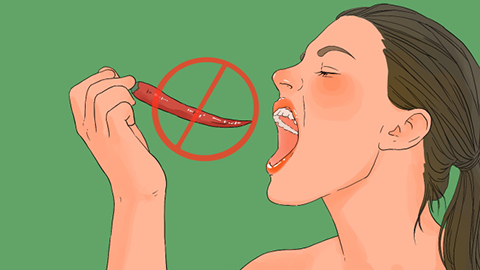
Patients are advised to maintain a balanced diet during menstruation, avoid strenuous physical activity, and refrain from consuming spicy or irritating foods. We hope this information is helpful.


