


Can I eat cold foods when I have toothache?
Aug 24, 2022
Source: Cainiu Health

Dr. Zhang Liwen
Introduction
Patients with toothache are advised not to consume ice, as cold foods may exacerbate pain. Toothache has many potential causes, and dental hypersensitivity is a common one. Consuming excessively cold or hot foods may trigger or worsen the pain. Therefore, individuals with sensitive teeth should avoid ice. Similarly, patients with pulpitis may experience intensified pain when consuming ice or hot foods; thus, ice consumption is also not recommended for those with pulpitis.
Toothache itself is one of the most common conditions encountered in dentistry. It is often accompanied by various symptoms, such as gingival redness and swelling, facial swelling, and others. Toothache may arise from periodontitis or gingivitis due to infection; therefore, dietary precautions are essential in daily life. So, can patients with toothache consume cold foods or beverages?
Can patients with toothache consume cold foods or beverages?
Patients experiencing toothache are generally advised against consuming ice-cold items, as cold exposure may exacerbate pain. Toothache has numerous potential causes, and many patients experience pain due to dental hypersensitivity. Consuming excessively cold or hot foods may trigger or intensify discomfort. Thus, individuals with sensitive teeth should avoid ice-cold foods. Similarly, patients diagnosed with pulpitis may experience aggravated pain upon ingestion of cold or hot foods; hence, cold foods are not recommended for them either. When suffering from toothache, it is advisable to consume foods and beverages at moderate temperatures. Additionally, prompt medical consultation is crucial to ensure appropriate, targeted treatment. Patients with pulpitis typically require pulp extirpation (nerve removal), whereas those with hypersensitive teeth may benefit from desensitization therapy or dental caries restoration.
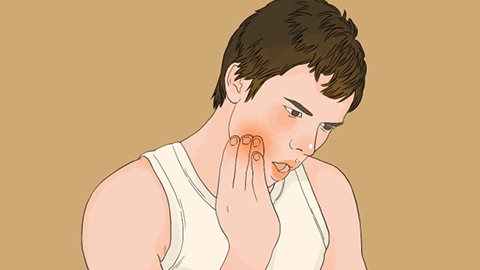
Patients with toothache may find relief by consuming bland, soft foods—such as vegetables and fruits—and should strictly avoid spicy, irritating foods. Smoking and alcohol consumption must also be avoided. If toothache is severe, timely consultation with a dentist is essential for targeted management. For pulpitis-induced toothache, treatment involves pulp devitalization (nerve removal); for apical periodontitis, root canal therapy is indicated. Pericoronitis-related pain requires irrigation and local debridement, while periodontitis-associated pain necessitates comprehensive periodontal therapy. In summary, toothache should always be managed under professional dental care.

When toothache occurs, prompt dental evaluation and treatment are vital to prevent disease progression. We hope this information proves helpful to you.


