


Is cervical removal a major surgery?

In real life, some women pay insufficient attention to personal hygiene, which can lead to various gynecological conditions. Cervical polyps are one such condition and pose significant health risks to affected individuals. So, is cervical removal considered a major surgery?
Is Cervical Removal Considered a Major Surgery?
Simple cervical removal is typically not classified as major surgery. It usually involves partial removal of the cervix—commonly referred to as a cervical conization (or cone biopsy). For women who test positive for human papillomavirus (HPV), cervical conization may be recommended following a cervical biopsy, especially if high-grade cervical lesions are suspected. This is a common minor surgical procedure that can often be performed on an outpatient basis using a sharp scalpel, without requiring hospital admission. However, if the lesion is severe or if malignancy cannot be ruled out, a cold-knife conization may first be performed to assess whether cancer is present; based on the results, further intervention—such as a hysterectomy—may then be considered.
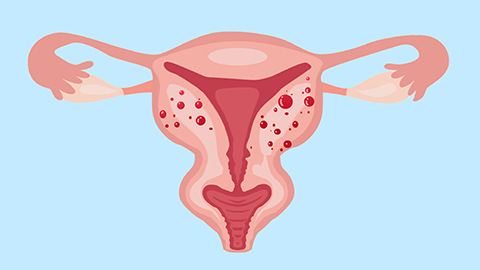
After cervical removal, maintain external genital cleanliness and change sanitary pads frequently. Avoid sitting baths for two months postoperatively—only showers are permitted. Additionally, monitor vaginal discharge for changes in color or odor. If an unusual or foul odor develops—suggesting possible infection—seek medical attention promptly. Approximately one week after surgery, minor vaginal bleeding may occur due to scab detachment. Should bleeding exceed normal menstrual flow, consult a healthcare provider immediately.

In daily life, maintain a balanced diet: avoid spicy, stimulating, or overly rich foods; refrain from binge eating; and ensure adequate rest by avoiding late-night activities. We hope this information proves helpful.


