


How many years can a patient survive after conization of the cervix?
Aug 24, 2022
Source: Cainiu Health

Dr. Lv Aiming
Introduction
Patients who undergo cervical conization typically have a life expectancy of approximately five years. Most patients undergoing this procedure do so due to high-grade cervical intraepithelial neoplasia (CIN). If the surgery is complete and the postoperative pathology report shows negative surgical margins, and if no recurrence is observed during regular follow-up visits within six months to one year after surgery, the disease itself and the conization procedure do not affect the patient’s overall survival. However, if the surgical margins are positive postoperatively, further management is required.
How long a patient lives after cervical conization depends on factors such as age, overall health status, pathological findings, and postoperative care. Under normal circumstances, if the disease does not recur following cervical conization, the patient’s life expectancy remains equivalent to that of the general population—the surgery itself does not adversely affect longevity. So, how many years can a patient expect to survive after cervical conization?
Survival Duration After Cervical Conization
Patients typically have an excellent prognosis following cervical conization, with a five-year survival rate approaching 100% in most cases. The majority of patients undergoing this procedure are diagnosed with high-grade squamous intraepithelial lesion (HSIL) of the cervix. If the surgical excision is complete and postoperative pathology confirms negative margins, and if no recurrence is detected during routine follow-up visits within six months to one year postoperatively, neither the underlying condition nor the surgery itself impacts overall survival. However, if the surgical margins are positive or if adequate follow-up is neglected—leading to progression to invasive cervical cancer—the patient’s survival duration will depend on the clinical stage of the resulting cervical cancer. Early-stage cervical cancer, when promptly treated surgically, generally does not compromise long-term survival. Notably, cervical conization serves both diagnostic and therapeutic purposes.
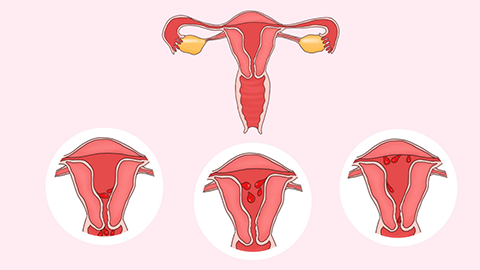
If a human papillomavirus (HPV) infection is present, regular monitoring is essential. When post-conization pathology reveals no significant abnormalities, further surgical intervention is unnecessary—indicating successful resolution of the cervical lesion—and long-term survival is expected; thus, there is no cause for undue concern. Conversely, if the pathology report confirms invasive cervical carcinoma (i.e., early-stage cervical cancer), standard treatment—including definitive surgery followed by adjuvant radiotherapy and/or chemotherapy—can achieve cure.
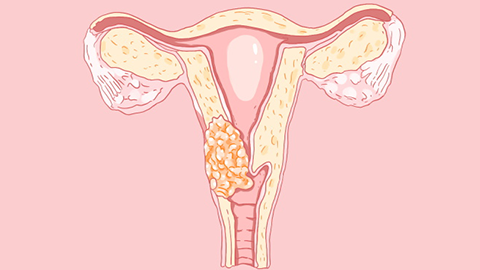
In daily life, patients should maintain a balanced diet, avoid spicy or irritating foods, refrain from binge eating, and ensure adequate rest—avoiding late-night activities. We hope this information is helpful to you.



