


What should I do if a cyst develops in the uterus?

After childbirth, the female uterus is prone to infection due to endometrial injury, potentially leading to abnormal cell division. What should be done if a uterine cyst develops?
What to Do If a Uterine Cyst Develops
If uterine cysts are gradually decreasing in number and density, conventional Western medical treatment may not be necessary. However, for numerous dense cysts, surgical intervention may be indicated. Currently, minimally invasive techniques—including laser and microwave therapies—are available. In traditional Chinese medicine (TCM), topical herbal uterine ointments are commonly used, while oral herbal formulas primarily aim to promote blood circulation and resolve stasis. Uterine cysts often serve as an early indicator of bacterial infection. Prior to surgery, any cervical inflammation caused by bacterial infection must first be treated. Once the patient meets surgical criteria following appropriate pharmacological management, the procedure can proceed. During surgery, laser or microwave energy is applied directly to the cysts, inducing necrosis and desquamation of the cystic tissue; subsequently, the necrotic tissue is removed via curettage. Generally, this procedure does not impair reproductive function; however, postoperative prophylactic treatment—including anti-inflammatory medications and uterine repair injections—is required for a full course.
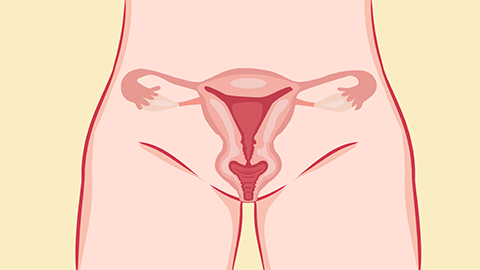
Uterine health is closely linked to diet, work patterns, and sleep habits. If cysts are few in number and confirmed benign upon examination, no specific treatment may be needed, as the body’s natural metabolic regulation may resolve them spontaneously. Even if they persist without resolution, they typically cause no further adverse effects. Nevertheless, dietary and lifestyle modifications—such as avoiding spicy foods and late-night activities—can help improve overall uterine health.

Diet should emphasize light, easily digestible foods. Increased intake of protein, vitamins, trace elements, and other essential nutrients is recommended. Foods such as lean meat, eggs, chicken, and fish are particularly beneficial. We hope this information proves helpful to you.


