


How Can Women Relieve Menstrual Pain?

Female students are physically fragile during puberty, and without proper attention, they may develop dysmenorrhea (painful menstruation) and menorrhagia (excessive menstrual bleeding). Therefore, this period must not be taken lightly. Certain unhealthy lifestyle and dietary habits should be appropriately modified. However, many young women remain unaware of what precautions to take during college years. So, how can women alleviate menstrual pain?
How to Alleviate Menstrual Pain
Using analgesics is a short-term pain-relief strategy that does not address the underlying cause. These medications temporarily suppress pain signals in the nervous system, thereby providing rapid relief. While effective for symptom control, this approach does not resolve the root cause, and pain often recurs later. Drinking warm water or brown sugar water can also help alleviate dysmenorrhea symptoms temporarily.
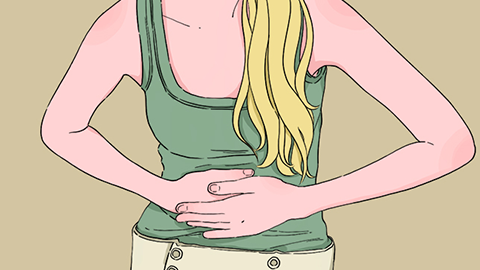
Etiological treatment: Dysmenorrhea has multiple causes, including primary (functional) and secondary (pathological) types. Primary dysmenorrhea is commonly attributed to stagnation of Qi and blood stasis, leading to impaired menstrual flow; this can be improved with herbal medicines or therapies that promote Qi and blood circulation. Secondary dysmenorrhea arises from organic conditions such as endometriosis, adenomyoma, uterine fibroids, or pelvic inflammatory disease, requiring targeted treatment—either pharmacological or surgical—to address the underlying pathology and achieve long-term resolution of menstrual pain.
Good health fundamentally depends on healthy lifestyle habits. Thus, menstrual delay may also be associated with unhealthy behaviors such as smoking, alcohol consumption, staying up late, or chronic fatigue. We hope this information proves helpful.


