


What does shed endometrium look like?

After shedding, the endometrium triggers menstruation in women; the shed endometrial tissue is expelled from the body along with menstrual blood, often giving the impression of blood clots. So, what does shed endometrial tissue actually look like?
What does shed endometrial tissue look like?
Once shed, the endometrium breaks into fragments. When expelled from the body, these fragments become visible—initially resembling blood clots to the naked eye. Upon touch or closer inspection, however, they exhibit a fleshy texture. In most cases, women can perceive this sensation during menstruation. Therefore, it is important for women to learn how to distinguish between endometrial tissue and true blood clots, enabling them to recognize whether their menstrual flow is abnormal.
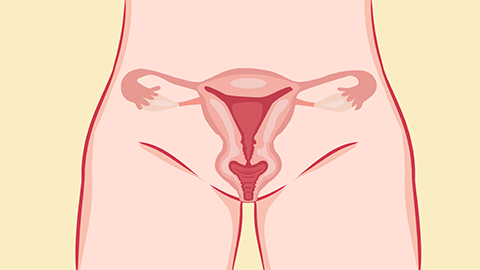
However, if menstrual blood contains a large volume of venous blood, it may appear dark red when mixed with endometrial tissue—but distinct endometrial fragments may not be readily visible. From a Western medical perspective, after endometrial thinning, the endometrium naturally regenerates, and uterine contractions facilitate the natural clearance of menstrual blood. Only a small number of women may experience abnormal menstruation due to impaired uterine contractility or intrauterine inflammation.

We recommend consuming primarily light, bland foods, ensuring dietary diversity, minimizing intake of spicy or irritating foods, and avoiding high-estrogen foods such as royal jelly. We hope this information proves helpful to you.


