


Mumps Examination Items

Many people are familiar with mumps, which is also referred to as “mumps” in Traditional Chinese Medicine (TCM). Following onset, the most characteristic symptoms include swelling and pain in the parotid region, tenderness upon palpation, general malaise, fever, and loss of appetite. So, what diagnostic tests are performed for mumps?
Diagnostic Tests for Mumps
Standard diagnostic tests for mumps typically include a complete blood count (CBC), ultrasound examination of the parotid and submandibular glands, serum amylase, urinary amylase, and occasionally lipase. Clinicians should remain vigilant for potential complications such as secondary meningitis or pancreatitis. Mumps is classified as a Category C notifiable infectious disease in China and occurs year-round, though it is most common during winter and spring. It is an acute, systemic viral infection caused by the mumps virus, primarily manifesting as painful swelling of the parotid glands—sometimes involving other salivary glands as well. Common complications include viral meningitis, orchitis, pancreatitis, and oophoritis. Mumps spreads mainly through direct contact, respiratory droplets, and saliva; symptoms usually appear 2–3 weeks after exposure to an infected individual.
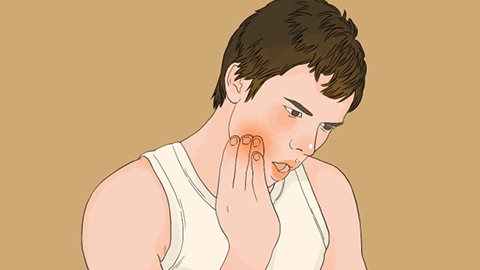
During mumps, parotid gland swelling is markedly evident—especially when opening the mouth, which stimulates salivary secretion and exacerbates pain. Therefore, during treatment, patients should consume semi-liquid foods such as soft noodles or congee, and may supplement their diet with fresh fruit juices to ensure adequate basic nutrition. Drinking ample warm water is recommended to facilitate toxin elimination. Many mumps patients experience varying degrees of gastrointestinal disturbances; to reduce gastrointestinal burden, it is advisable to consume bland, easily digestible foods—for example, vegetable congee, rice water, or milk congee.
Avoid foods with strong sour, alcoholic, or spicy flavors, as these may worsen symptoms. Also avoid cold and spicy foods. We hope this information proves helpful.


