


Can I exercise during my period?

Menstrual blood flow is closely related to a woman’s overall physical condition. If she is unwell, symptoms such as menorrhagia (excessively heavy periods), hypomenorrhea (scanty periods), dysmenorrhea (painful menstruation), or prolonged menstrual periods may occur. A woman’s menstrual period typically lasts about 3–5 days each month, and during this time, several precautions should be taken. So, can women exercise during their period?
Can women exercise during menstruation?
Yes, moderate exercise is permissible during menstruation—but timing and intensity must be carefully considered. During this phase, many women experience fatigue, dysmenorrhea, and lower back pain. Appropriate physical activity can boost immunity, strengthen cardiac function, and facilitate the expulsion of menstrual blood—thereby benefiting both physical and mental health. However, vigorous exercise may trigger adverse effects such as nausea, dizziness, intensified menstrual cramps, menorrhagia, or prolonged menstruation. In severe cases, it may even contribute to endometriosis. Recommended activities include light jogging, walking, playing table tennis, or practicing yoga—gentle, soothing forms of exercise.
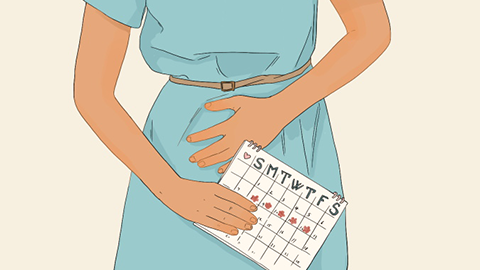
To maintain good health, women may engage in moderate exercise during menstruation, which helps promote metabolism. However, excessive exertion should be avoided. Gentle, appropriate exercise benefits the body by enhancing blood circulation and aiding menstrual flow. Suitable options include yoga, walking, light jogging, or even light household chores to help relax the body. Intense or high-impact exercise, however, is best avoided, as it may lead to excessive bleeding and negatively affect health. Heavy physical labor is also discouraged during menstruation; minimizing physical strain helps prevent complications.

During menstruation, personal hygiene should be prioritized, abdominal warmth maintained, and colds prevented. Cultivating healthy lifestyle habits is essential—avoiding cold or spicy foods, for instance. Drinking warm water and keeping the abdomen warm are beneficial practices that help prevent menstrual irregularities. We hope this information proves helpful to you.


