


Can I get vaccinated during my menstrual period?
Aug 24, 2022
Source: Cainiu Health

Dr. Lv Aiming
Introduction
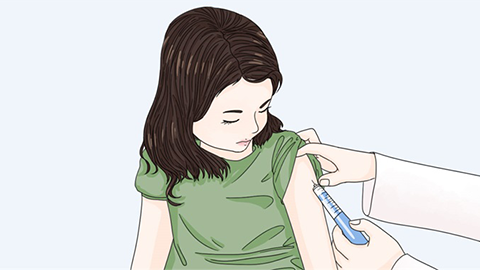
Vaccination, including the HPV and hepatitis B vaccines, is not recommended during menstruation, as the body’s immune function and tolerance are relatively reduced at this time. Most vaccines have some degree of toxicity; administering them when the body is weakened may cause certain harm. If vaccination is desired, it is best to schedule it outside the menstrual period.
Menstruation is a physiological cyclical process. Approximately once a month, the endometrium undergoes a natural cycle of thickening, increased blood vessel formation, glandular growth and secretion, followed by endometrial breakdown, shedding, and associated bleeding.
Can vaccines be administered during menstruation?
Vaccination is generally not recommended during menstruation—including for vaccines such as the human papillomavirus (HPV) vaccine and hepatitis B vaccine—because immune function and tolerance tend to be relatively reduced during this period. Most vaccines possess some degree of inherent reactivity or toxicity; administering them when the body is in a weakened state may cause certain adverse effects. Therefore, it is advisable to schedule vaccination outside of the menstrual period. Additionally, certain medications should be avoided during menstruation. For example, blood-activating herbs may increase menstrual flow, while hemostatic agents may cause abrupt cessation of menstruation. Thus, medication use during menstruation requires particular caution and should ideally be guided by a physician to avoid disrupting normal menstrual physiology.

Dietary recommendations during menstruation generally emphasize warm, nourishing foods rich in high-quality protein and essential nutrients. Suitable options include eggs, milk, fish, shrimp, lean meats, red dates (jujubes), longan fruit, brown sugar water, animal offal, goji berries, and a variety of fresh vegetables and fruits. Consuming these foods helps replenish vital nutrients, support blood and qi (vital energy), and prevent anemia and discomfort caused by menstrual blood loss. While there are no strict dietary restrictions during menstruation, it is generally advisable to minimize intake of raw, cold, or spicy foods. Otherwise, maintaining a nutritionally balanced, diverse, and non-restrictive diet is perfectly acceptable.
During menstruation, individuals should pay close attention to their physical condition, maintain regular sleep schedules, and avoid staying up late. We hope this information is helpful to you.


