


What Does Cervical Atrophy Mean?

The cervix is a vital component of the female body and forms part of the uterus. It plays a crucial role in women’s health, and numerous cervical disorders encountered clinically can significantly impact a woman’s overall well-being. So, what does cervical atrophy signify?
What Does Cervical Atrophy Signify?
Cervical atrophy refers to thinning of the cervical mucosa. In most cases, it is a physiological change associated with declining hormone levels during the perimenopausal or postmenopausal period. However, if atrophy is accompanied by discomfort or symptoms, a specialized gynecological evaluation at a hospital is recommended to rule out underlying gynecological conditions. Prolonged malnutrition may also contribute to cervical atrophy; however, the majority of cases represent normal, age-related physiological changes. Due to low estrogen levels during perimenopause or menopause, women are more susceptible to conditions such as atrophic vaginitis or urinary tract infections. Therefore, routine health check-ups—including hormone replacement therapy (HRT), if indicated—may be advisable.
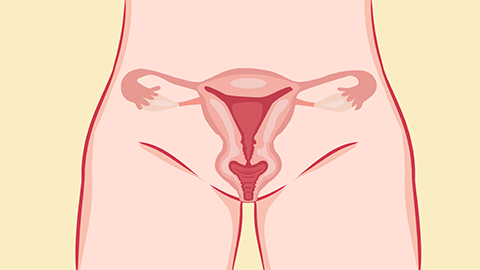
As the cervix shrinks from its typical size during the reproductive years, its length gradually decreases, eventually reaching approximately 3 cm. Cervical screening remains essential even after menopause—cessation of menstruation does not imply immunity from cervical disease. Women should undergo cervical cytology (TCT) and HPV testing every three years. Both TCT and HPV tests collect cells and viral material, respectively, from the squamocolumnar junction of the cervix.

In daily life, maintain a balanced and regular diet—avoid spicy, irritating, or overly rich foods, and refrain from binge eating or staying up late. We hope this information proves helpful.


