


What Causes Pain at the Cervical Opening?

The cervix is an extremely delicate anatomical site and is highly susceptible to disease when exposed to adverse factors. Some women experience cervical pain, which can cause confusion and distress; therefore, it is essential to pay close attention to this symptom, as it may indicate an underlying pathological condition. So, what causes pain at the cervical os?
What Causes Pain at the Cervical Os?
Pain at the cervical os may result from inflammation or infection, cervical lesions, and other causes. Common gynecological inflammatory conditions frequently lead to cervical pain—for instance, cervicitis may cause persistent discomfort during daily activities, with pain intensifying during sexual intercourse. Pelvic inflammatory disease (PID) is another frequent cause of cervical pain; the presence of inflammation can produce referred pain radiating to the cervix. Cervical squamous intraepithelial neoplasia (CIN) is also relatively common, although not all cases of CIN present with pain—thus, a ThinPrep cytology test (TCT) is necessary to evaluate and rule out pain-related pathology.
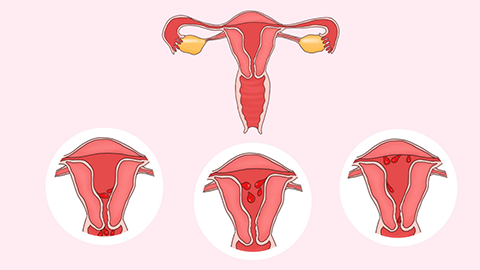
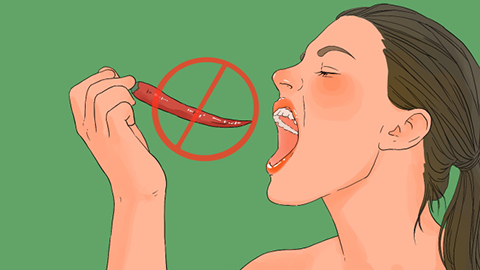
Symptoms of cervical pain are often associated with gynecological inflammation. For example, women infected with vaginitis or cervicitis may develop cervical pain. Patients should monitor for abnormal vaginal discharge or local signs such as erythema and edema. Under medical guidance, anti-inflammatory medications—including oral tablets, Fugan suppositories (a traditional Chinese medicine formulation), and metronidazole vaginal suppositories—may be prescribed. Spicy and irritating foods should be avoided, and sexual intercourse must be abstained from during episodes of cervical pain. Regular vaginal discharge examinations or timely colposcopy are recommended to identify the underlying cause before initiating appropriate treatment. Maintaining good personal hygiene and enhancing overall immunity are also crucial in daily life. If inflammation is present, abstinence from sexual intercourse is mandatory throughout the treatment period.
Patients are advised to remain vigilant about their physical health, undergo regular gynecological check-ups, practice proper self-care, and maintain strict personal hygiene. We hope this information proves helpful to you.


