


What Are the Effects of Not Having a Uterus in Women?
Aug 24, 2022
Source: Cainiu Health

Dr. Lv Aiming
Introduction
If a woman does not have a uterus, she will not menstruate. Typically, most girls begin menstruating before age 16. The absence of menstruation after age 16 is termed primary amenorrhea. First, visit a hospital for a color Doppler ultrasound to confirm the presence or absence of a uterus. If no uterus is present, pregnancy is impossible, as the uterus is the organ where the fetus develops.
The uterus is a vital component of the female body. As part of the internal female reproductive system, it serves as the organ responsible for embryonic and fetal development as well as menstruation. So, what are the implications for a woman who lacks a uterus?
Consequences of Absence of the Uterus in Women
A woman without a uterus will not experience menstruation. Typically, healthy females begin menstruating by age 16. The absence of menstruation after age 16 is termed primary amenorrhea. Initially, a color Doppler ultrasound examination should be performed at a hospital to confirm whether a uterus is present. If no uterus exists, pregnancy is impossible, since the uterus provides the essential environment for fetal development. Many women born without a uterus also lack a vagina. Consequently, for such women, the absence of both a uterus and a vagina precludes normal sexual intercourse. To enable satisfactory sexual function prior to marriage, vaginal reconstruction (vaginoplasty) may be considered. However, this surgical procedure is highly complex and requires long-term postoperative use of vaginal dilators. Naturally, the absence of a uterus renders a woman’s reproductive anatomy incomplete and may be associated with chromosomal abnormalities.
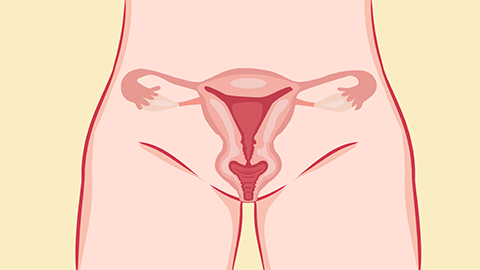
Furthermore, the absence of a uterus can disrupt endocrine system homeostasis, potentially leading to diminished ovarian function. Anatomically, the uterus resides centrally within the pelvic cavity—anterior to the bladder and posterior to the rectum—with its lower portion connecting to the vagina. Therefore, uterine absence may contribute to urinary retention, urinary incontinence, or constipation.

In daily life, adequate rest is essential. Diet should be light yet nutritionally balanced, avoiding spicy or irritating foods. Appropriate physical exercise is encouraged to enhance immunity and prevent disease. We hope this information proves helpful.




