


Is low-grade squamous intraepithelial lesion (LSIL) of the cervix serious?

Women’s unique reproductive systems are often more susceptible to bacterial invasion, leading to an increasing incidence of inflammatory conditions that compromise cervical health—particularly squamous cell carcinoma of the cervix. So, how serious is low-grade squamous intraepithelial lesion (LSIL) of the cervix?
How serious is low-grade squamous intraepithelial lesion (LSIL) of the cervix?
LSIL is generally not considered severe. A healthy cervix comprises both squamous and columnar epithelial cells. During examination, it is essential to distinguish normal squamous cells from squamous intraepithelial neoplasia (SIN), which is classified into three grades: CIN1, CIN2, and CIN3. The normal cervix contains both squamous and columnar epithelial cells; the most vulnerable region is the transformation zone—the junction between the squamous and columnar epithelia—where squamous cells are also visible on the cervical surface, resembling fish scales.
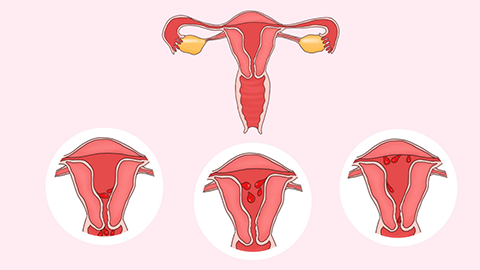
Within the cervical canal, columnar epithelial cells line up like columns. When erosion occurs, the squamocolumnar junction migrates outward onto the ectocervical surface, making the columnar epithelium visible to the naked eye—and especially under microscopic examination. In such cases, both squamous and columnar epithelial cells represent normal cervical tissue. If a cervical screening report notes “visible squamous cells” and “visible stromal cells,” this finding is entirely normal and requires no concern.
In female fetuses and postmenopausal women—whose estrogen levels are relatively low—the cervix is predominantly covered by squamous epithelium. The squamocolumnar junction remains the primary site at risk for malignant transformation and therefore warrants close attention. We hope this explanation proves helpful.


