What Causes Menstruation to Occur Twice in One Month?
Aug 24, 2022
Source: Cainiu Health

Dr. Lv Aiming
Introduction
Having two menstrual periods in one month may be caused by ovulation bleeding, dysfunctional uterine bleeding, or other factors. In Western medicine, this is termed “ovulation bleeding,” whereas in Traditional Chinese Medicine (TCM), it is referred to as “menstrual bleeding.” Some individuals experience only a small amount of brownish vaginal discharge, typically lasting half a day to two or three days—rarely exceeding seven days. It may be accompanied by mild ovulation pain and lower back soreness. If symptoms are mild, no treatment is required; however, if symptoms are pronounced, intervention may be necessary.
It is common knowledge that, under normal circumstances, women experience menstruation once a month, with the menstrual cycle typically lasting around 28 days. However, some women occasionally experience two periods within a single month, which often causes considerable confusion—and even anxiety—about potential underlying health conditions. So, what causes menstruation to occur twice in one month?
Causes of Menstruating Twice in One Month
Experiencing two menstrual periods in one month may result from conditions such as ovulation bleeding or dysfunctional uterine bleeding. In Western medicine, this is termed “ovulation bleeding,” while Traditional Chinese Medicine (TCM) refers to it as “mid-cycle bleeding.” Some individuals may only notice a small amount of brownish discharge, usually lasting half a day to two or three days, and rarely exceeding seven days. This may be accompanied by mild ovulation pain and lower back discomfort. If symptoms are minimal, no treatment may be necessary; however, if symptoms are pronounced, fertility may be affected, warranting medical intervention. Typical manifestations include irregular menstrual cycles, abnormally heavy menstrual flow, prolonged periods, or unpredictable vaginal bleeding. Due to chronic blood loss, some individuals may also develop varying degrees of anemia.
Many women frequently stay up late, suffer from insufficient sleep, experience excessive physical fatigue, or maintain irregular lifestyles—all of which can disrupt menstrual regularity. To maintain a consistent menstrual cycle, it is essential to adopt a regular daily routine: avoid staying up late, ensure adequate sleep, engage in moderate physical exercise—such as regular walking, jogging, or dancing—to enhance overall resistance to disease. However, overexertion should be avoided; instead, balance work and rest appropriately. Heavy physical labor and overly intense exercise should be avoided during the days immediately preceding menstruation and throughout the menstrual period itself.
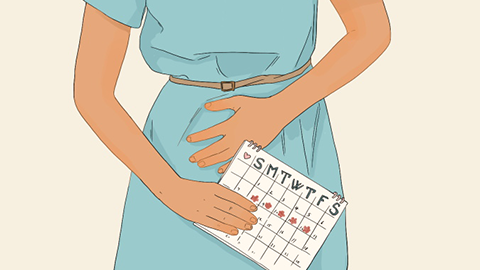
During menstruation, cold, spicy, or highly stimulating foods should be avoided to prevent menstrual disorders, and staying up late should also be avoided. We hope this information has been helpful to you.